

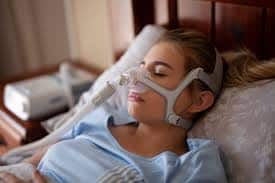
How to prepare for your first sleep study is something many people search for after their doctor says, “We’d like to test your sleep.” That recommendation alone can raise a lot of questions. Will you be able to sleep? Will it feel uncomfortable? What exactly will happen during the night?
These concerns are completely normal. A sleep study may sound clinical, but in reality, it’s a straightforward and safe process designed to understand how your body behaves while you sleep. Preparing properly helps the test go smoothly and ensures the results truly reflect your usual sleep patterns.
This checklist walks you through what to expect and how to prepare — without overthinking it.
What a Sleep Study Is and Why Preparation Matters
A sleep study, often called polysomnography, records several body functions while you sleep. It’s commonly used to diagnose sleep apnea, breathing disorders, frequent awakenings, or unexplained daytime fatigue.
The goal isn’t perfect sleep. The goal is realistic sleep. That’s why preparation focuses on keeping your routine as normal as possible rather than changing everything the night before.
How to Prepare for Your First Sleep Study the Day Before
The day before your appointment should feel like any other day — with a few small adjustments.
Avoid Caffeine and Alcohol Before a Sleep Study
Caffeine stays in your system longer than most people realize. Try to avoid coffee, tea, cola, or energy drinks after early afternoon. Alcohol should also be avoided the day of your study, as it can affect breathing and sleep stages.
Skipping these helps prevent distorted results and unnecessary restlessness during the night.
What to Eat Before an Overnight Sleep Study
You don’t need to fast or eat differently. Just avoid heavy or spicy meals close to bedtime. Indigestion, bloating, or heartburn can make it harder to sleep comfortably in an unfamiliar setting.
A normal dinner, eaten at your usual time, is usually best.
What to Bring With You to a Sleep Study
Being comfortable makes a big difference. Treat your sleep study like staying overnight somewhere quiet and simple.
Sleep Study Checklist: Items to Pack
- Comfortable pajamas
- Toiletries you normally use
- Any medications you take regularly
- A pillow or small blanket if it helps you relax
- Glasses or contact lens supplies
Familiar items can make falling asleep easier, especially if you’re already feeling a bit nervous.
Preparing Your Hair, Skin, and Body for a Sleep Study
This part is often overlooked but important. Sensors need to stick properly to your skin and scalp.
What to Avoid Before Your Sleep Study
- Hair oils, sprays, or heavy conditioners
- Face or body lotion
- Makeup or nail polish
Clean, dry skin allows sensors to stay in place and reduces the chance of interruptions during the night.
What Happens During Your First Sleep Study Night
Once you arrive, a technician explains everything step by step. Sensors are attached using gentle adhesive, and flexible wires allow you to move and change positions.
You’re monitored from another room, but privacy is respected. If you need to use the bathroom or feel uncomfortable, help is always available.
Many people worry they won’t sleep at all — but most end up sleeping more than they expect. Even a few hours of data is usually enough for accurate results.
How to Prepare for Your First Sleep Study Mentally
Feeling anxious before your first sleep study is very common. You’re in a new place, attached to equipment, and focused on sleep — something that’s hard to force.
Try reminding yourself:
- The test is painless
- You’re not being judged on how well you sleep
- The purpose is to help you feel better long-term
Relaxation techniques like slow breathing or quiet reading before bed can help settle your mind.
After the Sleep Study: What Comes Next
In the morning, sensors are removed and you can leave shortly after waking. Results are reviewed by specialists and discussed with your doctor later.
If sleep apnea or another condition is found, your provider will explain treatment options. For many people, this step becomes the turning point toward better sleep and improved daily energy.
Final Thoughts
How to prepare for your first sleep study doesn’t require anything complicated. The best approach is simple: follow your usual routine, bring what makes you comfortable, and avoid anything that could interfere with natural sleep.
A sleep study is not something to fear. It’s a tool — one that helps uncover answers and guide you toward better rest and better health.