

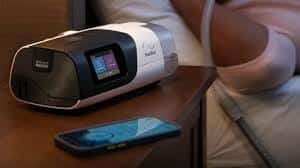
What your CPAP data really says about your sleep is often more meaningful than many users realize. Most people glance at a few numbers or graphs, feel unsure about what they’re seeing, and move on. Others avoid looking at the information altogether and simply hope the therapy is working.
In reality, CPAP therapy produces detailed feedback about how you sleep, how effectively breathing interruptions are controlled, and where small adjustments could lead to noticeable improvements. Learning to understand this information can help you feel more confident, more comfortable, and more in control of your treatment.
Why CPAP Data Matters More Than You Think
Modern CPAP machines do more than deliver pressurized air. They continuously monitor how your body responds to therapy throughout the night. Sleep specialists use this information to confirm whether treatment is effective, and users can rely on it to spot problems early.
CPAP reports can reveal:
How often breathing disruptions occur
Whether pressure settings are appropriate
If mask fit is interfering with therapy
How consistently the machine is being used
When people say CPAP “isn’t working,” the answer is often visible in the therapy data.
Understanding AHI in CPAP Data Reports
What AHI Really Means for Sleep Quality
AHI, or Apnea-Hypopnea Index, is one of the most important numbers found in CPAP reports. It measures how many breathing interruptions occur per hour of sleep.
AHI under 5: generally well-controlled
AHI between 5–15: mild ongoing events
Higher values: therapy may need adjustment
An elevated AHI doesn’t always mean treatment failure. Mask leaks, sleep position, or pressure settings can all influence this number.
What Mask Leak Data Says About Fit and Comfort
Mask leaks are common, but they can quietly reduce therapy effectiveness. CPAP machines track how much air escapes during the night, helping users identify fit issues.
Interpreting Mask Leak Numbers
Short, occasional leaks are normal, especially when changing positions. Persistent or large leaks may suggest:
A poorly fitted mask
Worn or aging mask cushions
Mouth breathing while using a nasal mask
Leaks don’t just affect numbers—they can lead to dry mouth, noise, and disrupted sleep.
CPAP Usage Hours and What They Reveal
Why Consistency Matters More Than Perfection
Another key metric in CPAP therapy reports is nightly usage time. Most providers focus on consistent use rather than perfect sleep every night.
Regular usage helps:
Reduce daytime sleepiness
Lower long-term cardiovascular risks
Improve overall therapy success
If usage hours are low, discomfort, pressure issues, or anxiety may be involved—and those challenges are often fixable.
Pressure Data and Breathing Patterns
Many CPAP machines record pressure changes and breathing stability throughout the night. These patterns help identify whether pressure is too low, too high, or fluctuating excessively.
What Pressure Spikes May Indicate
Sudden pressure increases can be linked to:
Sleeping on your back
REM sleep stages
Obstructive events that aren’t fully controlled
Understanding these trends allows clinicians to fine-tune therapy instead of relying on guesswork.
When CPAP Data Doesn’t Match How You Feel
Sometimes CPAP reports look “good,” yet you still feel tired during the day. This doesn’t mean the data is wrong—it simply means more context is needed.
Persistent fatigue may result from:
Fragmented sleep
Mask discomfort
Other untreated sleep disorders
Poor sleep habits
Looking beyond surface numbers often reveals the real cause.
How to Use CPAP Data Without Obsessing Over It
Checking nightly reports too frequently can increase stress and anxiety. The goal isn’t perfection—it’s steady, long-term improvement.
A healthier approach includes:
Reviewing trends rather than single nights
Prioritizing comfort and consistency
Discussing concerns with a sleep professional
Used correctly, CPAP information becomes a guide rather than a source of frustration.
When CPAP Data Signals It’s Time for Help
If your CPAP data shows persistently high AHI, frequent large leaks, or very low usage hours, it’s a sign that professional support may be needed. Small adjustments to mask type, pressure, or humidification often solve issues quickly.
Addressing problems early leads to better comfort and stronger long-term results.
Final Thoughts on What Your CPAP Data Really Says About Your Sleep
What your CPAP data really says about your sleep goes far beyond numbers on a screen. It reflects how well therapy fits your body, your habits, and your comfort level.
When understood properly, this information empowers you to take an active role in your sleep health—leading to better rest, better energy, and better outcomes over time.