

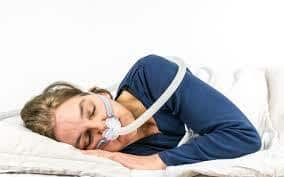
How humidification can transform your CPAP experience is something many CPAP users only realize after struggling through dry nights, sore throats, or constant nasal irritation. For some people, CPAP works well from the start. For others, discomfort makes it hard to stay consistent — even when the therapy itself is effective.
Humidification doesn’t change how CPAP treats sleep apnea, but it can dramatically change how CPAP feels. Adding moisture to pressurized air often turns an uncomfortable experience into one that’s easier to tolerate and easier to stick with long term.
Why CPAP Therapy Often Feels Dry and Uncomfortable
CPAP machines deliver a steady stream of air to keep your airway open during sleep. While this airflow is essential, it can dry out sensitive tissues in the nose, mouth, and throat — especially if you live in a dry climate or sleep with your mouth open.
Common complaints include:
- Dry mouth in the morning
- Nasal congestion or burning
- Sore throat
- Nosebleeds
- Feeling like the air is “too harsh”
These issues don’t mean CPAP isn’t working. They usually mean moisture is missing.
How CPAP Humidification Works
Understanding Heated Humidifiers in CPAP Machines
Most modern CPAP machines include a built-in humidifier or allow one to be attached. The humidifier adds water vapor to the airflow, making it warmer and gentler as it reaches your airway.
You control:
- Humidity level
- In some cases, air temperature
Finding the right balance matters. Too little humidity leads to dryness. Too much can cause condensation or a damp feeling.
How Humidification Can Transform Your CPAP Experience Overnight
For many users, humidification is the turning point. Once moisture is added, symptoms often improve quickly.
Benefits of CPAP Humidification
- Reduced dry mouth and throat irritation
- Less nasal congestion
- Improved comfort while breathing
- Better tolerance of higher pressure settings
- Fewer nighttime awakenings
When CPAP feels more comfortable, people tend to use it longer and more consistently — which directly improves therapy outcomes.
CPAP Humidification and Nasal Congestion Relief
Why Moist Air Helps Nasal Passages
Dry air can irritate nasal tissues and cause swelling, leading to congestion. Humidified air helps keep nasal passages moist, allowing airflow to move more freely.
This is especially helpful for:
- People with allergies
- Those prone to sinus issues
- Users who experience nasal burning
If congestion improves, mask tolerance and sleep quality often improve as well.
Heated Tubing and Rainout Prevention
What Is CPAP Rainout?
Rainout happens when warm, moist air cools as it travels through the hose, causing water droplets to form. This can result in gurgling sounds or moisture in the mask.
Heated tubing helps maintain air temperature, reducing condensation and keeping airflow consistent throughout the night.
Finding the Right Humidity Setting for Your CPAP
There’s no universal “best” setting. The right level depends on your environment, mask type, and personal comfort.
Signs You May Need to Adjust Humidity
- Dry mouth or nose → increase humidity
- Condensation in the hose → lower humidity or add heated tubing
- Stuffy nose → slight increase may help
Small adjustments over several nights work better than drastic changes.
Humidification for Mouth Breathers and Full Face Masks
People who breathe through their mouth often experience more dryness because moisture escapes more easily. Humidification is especially important in these cases.
Using adequate humidity alongside a full face mask or chin strap can significantly reduce discomfort and morning dryness.
When Humidification Doesn’t Fully Solve CPAP Discomfort
If dryness or irritation continues despite humidification, other factors may be involved:
- Mask leaks
- Pressure settings
- Poor mask fit
- Environmental dryness
Humidification is powerful, but it works best when combined with proper mask selection and machine settings.
Final Thoughts on How Humidification Can Transform Your CPAP Experience
How humidification can transform your CPAP experience often comes down to comfort. CPAP therapy works best when it feels manageable night after night. Dryness, irritation, and congestion make therapy harder than it needs to be.
By adding moisture to the airflow, humidification softens the CPAP experience, improves comfort, and helps many users stay consistent with treatment. Sometimes, that small change is what turns CPAP from a nightly struggle into a sustainable routine.