


Why Choose Bleep

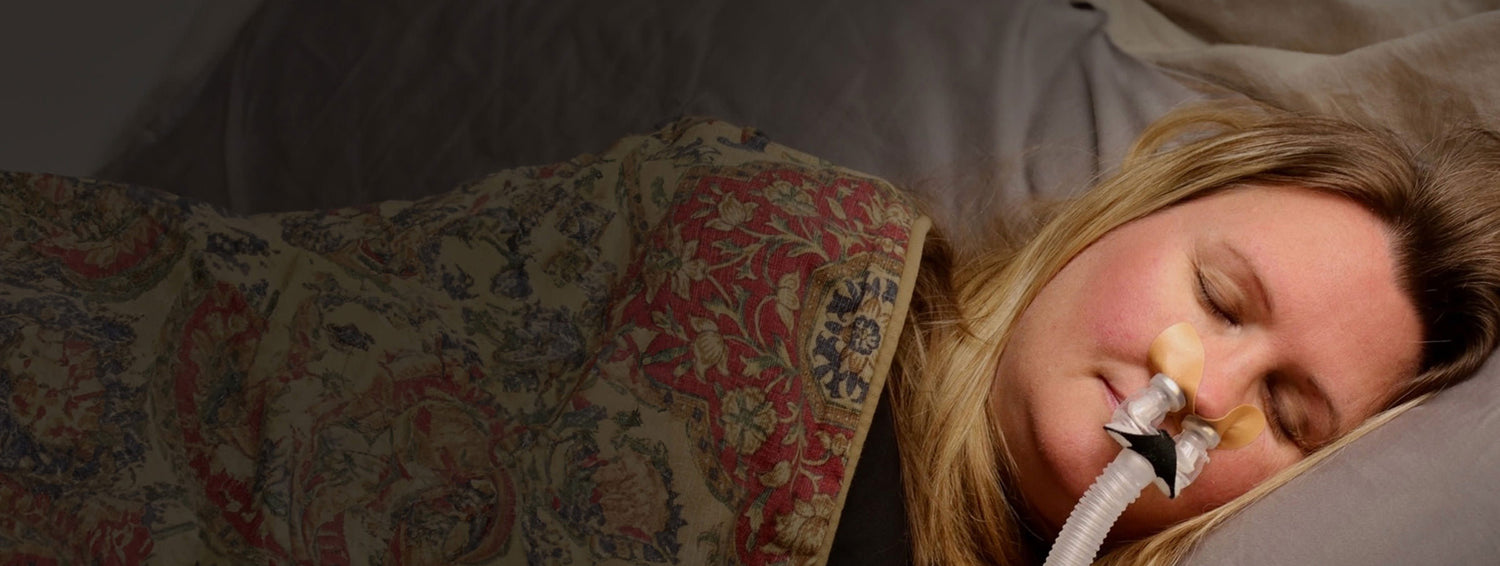
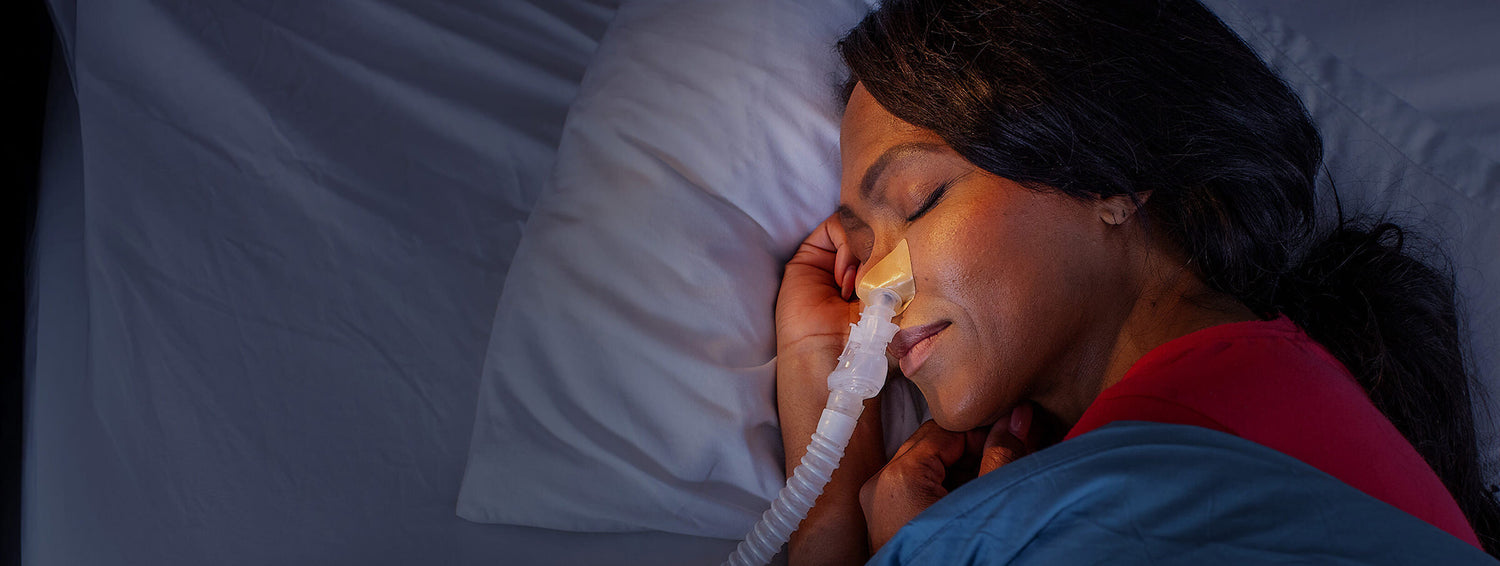
No Leaks. Our patented seal technology ensures a perfect fit every time, eliminating air leaks that disrupt sleep and impact therapy effectiveness.

Total Comfort. Lightweight, headgear-free design reduces pressure and irritation so you can sleep in any position, without straps, bulk, or distraction.

Zero Marks. Wake up refreshed with no red lines, dents, or strap-caused balding, just smooth skin, no CPAP-caused dry eye, and a great night’s sleep.
Sleep Better with Bleep
The original headgear-free CPAP solution designed for a secure fit, zero leaks, and all-night comfort.

Eclipse™
Next-gen CPAP comfort with MagSeal™ technology for rapid on/off use.
No headgear and no leaks for effortless sleep.

DreamPorts®
The original headgear-free CPAP solution designed for a
secure fit, zero leaks, and all-night comfort.
Trusted. Proven. Clinically Backed
Covered by medicare and most private insurance plans.

Real Sleep, Real Result
Hear directly from users who transformed their sleep with Bleep. Watch their stories and see why Bleep makes a difference.


Sleep Insights
Stress Hormones and Sleep Quality: What Science Says
Stress hormones and sleep quality are locked in a biological tug-of-war that dictates how you feel from the moment you wake up in Springfield, VA, to the second you hit the pillow. If you’ve ever felt “tired but wired,” you have experienced the direct impact of cortisol and adrenaline overriding your body’s natural urge to rest. At BleepSleep, we believe that understanding the chemical signals in your bloodstream is the first step toward reclaiming deep, restorative sleep. Science shows that when your stress response stays active, your sleep architecture crumbles. Here is a deep dive into how hormones dictate your night and what you can do to fix the cycle. Quick Take: The Stress-Sleep Connection The Main Culprit: Cortisol, the “stress hormone,” should be low at night. If it’s high, you stay in light, fragmented sleep. The Adrenaline Rush: Stress triggers a “fight-or-flight” response that physically prevents your heart rate from dropping for deep sleep. The Solution: Managing external stressors and using high-compliance sleep solutions like DreamPort can help stabilize your hormonal rhythm. How Stress Hormones and Sleep Quality Impact Your Brain To understand the science, we have to look at the Hypothalamic-Pituitary-Adrenal (HPA) axis. This is your body’s central response system for stress. When the HPA axis is hyperactive, it pumps out hormones that tell your brain there is a threat nearby—even if that “threat” is just a looming work deadline or Northern Virginia traffic. Cortisol: The Internal Alarm Clock Cortisol follows a circadian rhythm. Ideally, it peaks in the morning to wake you up and drops to its lowest point around midnight. However, chronic stress causes “cortisol spikes” in the evening. High evening cortisol inhibits the release of melatonin, making it nearly impossible to fall asleep quickly. Adrenaline and Hyperarousal While cortisol is a slow-burn hormone, adrenaline is the immediate spark. If you engage in stressful activities late at night (like checking emails or watching intense news), adrenaline increases your core body temperature and heart rate. Science dictates that your body temperature must drop by about 2°F to initiate deep sleep—adrenaline keeps you too warm and too alert to cross that threshold. The Science Says: How Elevated Cortisol Ruins Sleep Stages Research from institutions like the Mayo Clinic and ScienceDirect highlights that high stress doesn’t just prevent you from falling asleep; it changes the quality of the sleep you actually get. Reduced Slow-Wave Sleep (SWS): This is the “deep sleep” where your body repairs tissues and boosts the immune system. Stress hormones significantly shorten this stage. Fragmented REM Cycles: Stress causes you to drift into REM (dream sleep) too quickly or wake up frequently during it, leading to vivid, stressful dreams and morning grogginess. Increased Micro-Arousals: You may not remember waking up, but stress hormones cause your brain to “ping” into alertness dozens of times per night. The Vicious Cycle: Sleep Deprivation and Hormone Imbalance The relationship between stress hormones and sleep quality is a two-way street. Not only does stress ruin sleep, but poor sleep creates more stress. When you lose just one night of quality rest, your cortisol levels the following evening can be up to 45% higher. This creates a “snowball effect” where you are even more stressed the next day, making the following night’s sleep even worse. For those dealing with sleep-disordered breathing or apnea, this cycle is even more aggressive because the body views “not breathing” as a massive physical stressor. Why Traditional Sleep Masks Can Add to Your Stress For many people in the Springfield area, sleep quality is further compromised by uncomfortable CPAP equipment. If you are already stressed, the last thing you want is a bulky, restrictive mask that makes you feel claustrophobic. This “gear-related stress” can actually trigger a cortisol spike right before bed. That’s why the DreamPort Sleep Solution by BleepSleep is a game-changer. By eliminating headgear and using a lightweight, adhesive interface, we lower the “barrier to sleep.” When you aren’t fighting your equipment, your nervous system can finally transition from “Fight-or-Flight” to “Rest-and-Digest.” Practical Ways to Lower Stress Hormones Before Bed Science says you can’t just flip a switch on your hormones, but you can “buffer” them. The 3-2-1 Rule: Stop eating 3 hours before bed, stop working 2 hours before bed, and stop looking at screens 1 hour before bed. Temperature Control: Keep your bedroom in Fairfax or Arlington cool (around 65-68°F) to counteract adrenaline-induced heat. Physiological Sighs: A specific breathing pattern (two quick inhales followed by a long exhale) has been shown to rapidly lower heart rate and calm the HPA axis. FAQs: What Science Says About Stress and Rest Can stress hormones cause permanent insomnia? Chronic stress can “train” the HPA axis to stay on high alert, leading to psychophysiological insomnia. However, with cognitive behavioral therapy for insomnia (CBT-I) and proper sleep hygiene, this can be reversed. Does exercise help lower cortisol for sleep? Yes, but timing matters. Intense cardio in the evening can spike cortisol and adrenaline. Aim for morning workouts or gentle evening yoga to improve sleep quality. How does sleep apnea affect stress hormones? Apnea events cause a “suffocation alarm” in the brain, triggering a massive dump of adrenaline and cortisol to wake you up. This is why untreated apnea patients often feel chronically stressed and anxious during the day. Conclusion: Reclaim Your Peace and Your Sleep The science of stress hormones and sleep quality is clear: you cannot have one at the expense of the other. To live a high-performing life in Northern Virginia, you must prioritize the hormonal “down-regulation” that only happens during deep sleep. If stress is keeping you up, don’t let your sleep equipment be another burden. Experience the stress-free comfort of the DreamPort Sleep Solution. Explore the BleepSleep shop today and give your hormones the break they need.
Learn moreHow Sleep Apnea Impacts Heart Health: A Deep Dive
How sleep apnea impacts heart health is a critical concern for millions, as this common sleep disorder does far more than cause daytime fatigue. In fact, it serves as a silent catalyst for severe cardiovascular disease. Specifically, when breathing repeatedly stops and starts during the night, the resulting oxygen deprivation and physical stress create a “perfect storm” for the heart. At BleepSleep, we believe that understanding the physiological link between disordered breathing and cardiac function is the first step toward effective management. Consequently, we have compiled this guide to help you protect your cardiovascular wellness. Quick Summary: The Connection Between Sleep Apnea and the Heart If you are looking for a fast answer on how these two are linked, here are the primary mechanisms: Hypoxia: Low blood oxygen levels trigger a “fight or flight” response. Blood Pressure Spikes: Sudden drops in oxygen cause immediate surges in blood pressure. Structural Changes: Long-term strain can lead to an enlarged heart or atrial fibrillation (AFib). Inflammation: Chronic oxidative stress damages the lining of the blood vessels. The Physiological Toll: How Sleep Apnea Impacts Heart Health Daily To understand the impact of sleep apnea on cardiovascular wellness, one must look at what happens during an “apnea event.” When the airway collapses, the body struggles to breathe against a closed pipe. As a result, this creates intense negative pressure in the chest cavity. 1. Acute Hypertension and Nighttime Spikes Every time you stop breathing, your sympathetic nervous system kicks into high gear. Furthermore, this releases adrenaline and cortisol, causing your blood pressure to skyrocket. While a healthy person’s blood pressure “dips” at night, those with sleep apnea experience nocturnal hypertension. Eventually, this elevation carries over into the daytime, leading to chronic high blood pressure. 2. Oxidative Stress and Vascular Damage The cycle of stopping and starting breath is known as “intermittent hypoxia.” This process creates reactive oxygen species, which leads to oxidative stress. Subsequently, this stress damages the endothelium—the inner lining of your blood vessels. This damage is a leading precursor to atherosclerosis, or the hardening of the arteries. Common Cardiac Conditions Linked to Obstructive Sleep Apnea (OSA) Research from the National Center for Biotechnology Information (NCBI) and Healthline highlights several specific conditions that are exacerbated by untreated sleep apnea. Atrial Fibrillation (AFib) and Arrhythmias There is a profound correlation between sleep apnea and irregular heartbeats. Because the physical stretching of the heart’s chambers occurs during gasping episodes, it can trigger AFib. Moreover, patients with untreated OSA are significantly more likely to see a recurrence of AFib even after medical procedures like ablation. Congestive Heart Failure (CHF) Sleep apnea puts a massive workload on the left ventricle. Over time, the heart muscle may thicken or weaken; therefore, leading to heart failure. For this reason, effective treatment with CPAP or oral appliances is often a core component of managing CHF patients. Coronary Artery Disease Because sleep apnea promotes inflammation and high blood pressure, it accelerates the buildup of plaque in the coronary arteries. In addition to general fatigue, this increases the direct risk of a myocardial infarction (heart attack). Comparing Healthy Sleep vs. Sleep Apnea Impact Feature Healthy Sleep Sleep Apnea Impact Blood Oxygen Stable (95-100%) Frequent drops (Hypoxia) Heart Rate Slow and steady Tachycardia/Bradycardia cycles Blood Pressure Decreases (Dipping) Increases (Nocturnal spikes) Systemic Inflammation Low High (C-reactive protein) Expert Insights: Why Does Sleep Apnea Affect Daily Life? Beyond the internal biological markers, the daily effects of sleep apnea on the body manifest in several visible ways. For instance: Chronic Morning Headaches: These are caused by CO2 buildup and widened blood vessels. Cognitive Fog: The heart isn’t the only organ deprived of oxygen; consequently, the brain suffers too. Chest Pain: Also known as nocturnal angina, this occurs when the heart doesn’t receive enough oxygenated blood during sleep. Frequently Asked Questions Can sleep apnea cause a heart attack? Yes, it can. Sleep apnea increases the risk of a heart attack by causing sudden drops in blood oxygen levels and increasing blood pressure. These factors put excessive strain on the cardiovascular system. Is the heart damage from sleep apnea reversible? In many cases, the answer is yes. Studies show that consistent use of CPAP therapy or other airway treatments can reduce heart wall thickness. Additionally, these treatments help lower blood pressure and stabilize heart rhythms. How do I know if my heart issues are caused by sleep apnea? Common signs include loud snoring, gasping for air at night, and waking up with a dry mouth. If you experience excessive daytime sleepiness despite a full night’s “rest,” you should consider a professional sleep study. 2026 Managing Your Heart Health Today If you suspect your heart health is at risk due to sleep apnea, you should follow these modern health guidelines: Get Screened: Use a home sleep test or visit a specialist immediately. Optimize Sleep Hygiene: Maintain a consistent schedule and avoid alcohol before bed. Explore Treatment Options: From CPAP machines to the innovative solutions we discuss at BleepSleep, finding a comfortable way to keep your airway open is essential. Monitor Vitals: Use wearable tech to track your blood oxygen (SpO2) and heart rate variability (HRV) overnight. Conclusion: Prioritize Your Breath to Protect Your Heart In conclusion, this deep dive into how sleep apnea impacts heart health reveals that this is not just a “snoring problem.” Rather, it is a vascular emergency. By addressing the root cause of nighttime airway obstruction, you are not just getting better sleep; instead, you are actively extending your lifespan. Don’t wait for a cardiac event to take action. Explore the latest in sleep health technology and expert advice at BleepSleep to breathe easier and live longer.
Learn moreNEWS9 Special Assignment: New sleep apnea options
JEFFERSON COUNTY, Ohio — Wearing masks to protect our quality of breathing is something Americans have been told a lot in the past few years. But have you ever been told to wear a mask to protect your breathing while you sleep? Nearly 30 million people suffer from sleep apnea in the United States, according to sleepeducation.org. That number jumps to 1 billion worldwide. And the number that is most concerning — 23.5 million U.S. adults remain undiagnosed. “They are at increased risk of cardiovascular disease, particularly Atrial fibrillation, congestive heart failure, stroke, carotid artery disease,” said Dr. William Noah, senior medical director, Sleep Centers Middle Tennessee. “They’re at risk of hypertension, increased risk of diabetes times 2.” Noah has spent upwards of 30 years studying sleep medicine and says the number of people diagnosed with sleep apnea grows every year. The most recent study was conducted by the university of San Diego. “They looked at sleep apnea around the world, and in the U.S., they estimate as high as 37 percent of adults have sleep apnea,” Noah said. “That’s not saying 37 percent need treatment, but they would actually qualify under the diagnosis.” Noah says if untreated, the effects of sleep apnea could cause heart failure and ultimately death. Knowing this information, NEWS9’s Addison Albert spoke with two subjects who opted for treatment. “When they diagnosed me, I was stopping breathing as many as 300 times a night,” said Paul Giannamore, a 20-year sleep apnea patient. “They sent me to a pulmonologist. This guy says you going to have to get this device that blows air into your nose at night to keep your throat from swelling shut while you’re sleeping, or slamming shut. I went ahead and did it because I knew having a heart attack in my 30s or 40s wouldn’t have been good.” Giannamore described the discomfort associated with many diagnosed patients refusing treatment or stopping treatment early on. “The head gear. In the summer it would get hot. Just not comfortable,” he said. “Sometimes the headgear with the straps that you need to use to keep that in place they’ll slip, they might come undone, you might get a leak,” said Bill Phillips, new sleep apnea patient. Phillips was recently diagnosed with sleep apnea and says the facemask that is made to help his sleep is what is causing him to wake up. There is an alternate treatment involving zero head gear. “Nothing goes in the nose because we use adhesive in order to keep the mask on you,” said Stuart Heatherington, executive chairman and founder, Bleep. “There is no headgear or straps, so there’s nothing that you can over tighten so you can’t harm yourself.” Heatherington has also been studying sleep for many years and came up with the apnea device after he and his family suffered from the diagnosis. “My mom had a stroke in high school, and it turned out my dad had already been diagnosed with sleep apnea, and I knew my uncle and grandfather had it,” Heatherington said. “And I was like, well I don’t wanna have a stroke because everybody in my family gets heavier, so I’m going to go ahead and start therapy now. And it was terrible for the first 2 months kind of acclimating to it.” He connected the treatment to both subjects to better understand the idea of a head gear free treatment. The Nasal Cannula comes with adhesive stickers which universally fit under the nose creating a seal around the nasal passage. The magnetic rings then attach to the tube making it less likely to leak, no need for head gear, and the ability to move around during a night’s sleep. Heatherington says they received funding from the National Institutes of Health in order produce the product. After over 2 weeks using the Nasal Cannula mask, we looked at the results: “I saw the hours go up,” Phillips said. “It seems like it was about an hour-and-a-half to 2 hours more sleep in terms of how it was registering on the machine, so it was a nice adjustment to get a little bit more sleep.” “No more headaches almost immediately,” Giannamore said. “The ability to be comfortable, the ability to not be worrying about waking up with an airstream in my eye or having to put headgear on and scarring yourself up and leaving dents all over you — it’s incredible.” Giannamore also saw, according to his sleep apnea machine, a drop in wake periods. “There were nights that I was getting interruptions an average of 3 to 4 times an hour, which is not good. It’s down to one or below one,” he said. “It’s a great opportunity for patients who have dropped therapy or put it to the side because they felt like it was uncomfortable to be able to come back,” Heatherington said. Heatherington says it’s important to continue to educate patients on the many treatment options there are in order to avoid the discomfort of a facemask. Research continues to go on and scientists like Heatherington are learning better ways to treat patients through products like Bleep. In general, though he urges folks to continue to seek help. “Regardless of which one, I’m going to continue to do it because it’s better for me,” Phillips said. Most common signs of sleep apnea include loud snoring, excessive daytime sleepiness, and even depression, headaches, and dry mouth. Consult with a doctor to learn more.
Learn more
Get Started Today
Find your perfect fit and experience what it means to finally sleep better with Bleep.
