

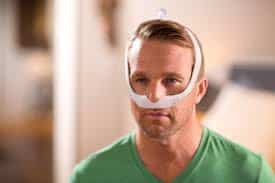
If you’ve been prescribed a CPAP machine, chances are you’ve already discovered one of its biggest challenges — getting comfortable enough to actually sleep with it. Many new users experience what’s known as CPAP anxiety — that uneasy, restless feeling that sets in the moment you put the mask on. You’re not alone. This is one of the most common hurdles people face when starting CPAP therapy.
The good news? CPAP anxiety isn’t permanent. With the right mindset, small adjustments, and some patience, you can turn your nightly routine into something peaceful and restorative.
Understanding CPAP Anxiety and Why It Happens
CPAP anxiety often stems from the unfamiliar sensation of air pressure and wearing a mask while trying to relax. Your brain interprets the mask as restrictive, and even though the machine helps you breathe better, your body may initially react as if it’s being suffocated. This is completely natural.
Many long-term users admit they felt claustrophobic or restless for the first few weeks. It’s important to remember that your mind and body simply need time to adapt. Anxiety often fades as your brain starts to associate the CPAP mask with rest, not stress.
Step One: Start Small and Gradual
If the thought of strapping on your mask every night fills you with tension, try easing into it. Wear your CPAP mask during the day while reading, watching TV, or scrolling your phone — no pressure running. This helps your brain get used to the feeling without linking it to sleep stress.
When bedtime comes, you’ll find that your anxiety is lower because your body now recognizes the mask as normal. This method, known as desensitization, is recommended by many sleep therapists to reduce CPAP fear and discomfort.
Step Two: Focus on CPAP Comfort and Proper Fit
Anxiety can increase when your equipment doesn’t fit correctly. A mask that’s too tight or leaks air can make you feel irritated and trapped. Make sure your CPAP mask is the right size and shape for your face. Modern masks come in several designs — nasal pillows, full-face masks, and nasal masks — each offering different comfort levels.
If your mask leaves marks or feels like it’s squeezing your skin, it’s time to refit or try a different style. You’ll be amazed at how much reducing pressure points can lower your overall sleep anxiety.
Step Three: Create a Relaxing Bedtime Environment
A calm environment goes hand in hand with peaceful CPAP sleep. Dim the lights, reduce noise, and establish a soothing bedtime routine. Some users find that playing soft music, diffusing lavender oil, or taking a few slow breaths before putting on the mask helps them unwind.
Try turning CPAP time into something you look forward to — a ritual of self-care rather than a medical task. Pairing your routine with something comforting signals your body that it’s time to rest, not resist.
Step Four: Use Humidification and Temperature Control
Dry air from CPAP therapy can make breathing uncomfortable and trigger sleep anxiety. If your machine supports it, use a CPAP humidifier. The added moisture prevents dryness in your throat and nose, helping you feel more at ease during the night.
Some modern CPAP units also have temperature controls to warm the air, making the experience more natural and relaxing — especially in colder seasons.
Step Five: Practice Breathing and Relaxation Techniques
Before putting on your CPAP mask, practice a few minutes of deep breathing. Inhale slowly through your nose, hold for a count of three, and exhale gently through your mouth. This technique not only calms your nervous system but also gets you comfortable with controlled breathing, which is essential when adapting to CPAP therapy.
You might also try mindfulness or progressive muscle relaxation — techniques used by long-term CPAP users to ease nighttime stress and promote better sleep.
Step Six: Track Progress and Celebrate Small Wins
It’s easy to get discouraged when results don’t happen overnight. But progress with CPAP comfort happens gradually. Keep a small journal to note how long you used your device each night and how rested you feel in the morning. You’ll likely notice improvements week by week.
Many users report that around the two- to four-week mark, CPAP anxiety begins to fade. They wake up feeling refreshed and grateful they stuck through the tough part.
Step Seven: Seek Support from Professionals or Communities
If anxiety persists after several weeks, it may help to talk with your sleep specialist or join an online support group. Sharing your struggles with others who’ve been through it can be incredibly reassuring. There are active CPAP communities where users exchange real tips and encouragement — and hearing from someone who’s conquered CPAP fear can make a world of difference.
Final Thoughts: Reclaim Your Rest
Learning to sleep with a CPAP machine takes patience, compassion, and persistence. The early nights may feel frustrating, but each small step brings you closer to more peaceful sleep and better health. Remember — CPAP therapy is not just about treating sleep apnea. It’s about giving your body and mind the deep rest they deserve.
You have the tools to overcome CPAP anxiety and sleep peacefully again. Start with small adjustments, focus on comfort, and trust that your body will adapt — because it will.