

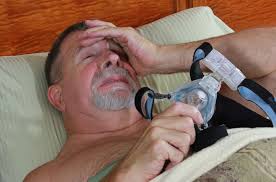
Using a CPAP machine can be life-changing for people with sleep apnea. However, it works well only when every part is functioning properly. That’s why CPAP Troubleshooting becomes essential. When your mask becomes noisy, leaks air, or feels uncomfortable, therapy can become frustrating. Fortunately, with the right adjustments and consistent maintenance, most issues are easy to solve. As a result, you can breathe better, sleep deeper, and enjoy healthier days.
Why CPAP Masks Become Uncomfortable (CPAP Troubleshooting Basics)
Even the best masks can become uncomfortable over time. Additionally, discomfort usually appears due to several predictable causes:
Improper mask fit or size
Worn-out cushions or headgear
Incorrect air pressure levels
Dry air from insufficient humidification
Every face is different; therefore, early signs such as irritation, pressure marks, or small leaks should be addressed immediately. Otherwise, these minor issues may turn into bigger CPAP problems later.
CPAP Troubleshooting for Noisy Machines
A noisy CPAP machine is one of the most common complaints. Even “quiet” models can produce sound over time. Usually, this occurs when something is loose or worn out.
Common Causes of Noise
Mask not sealing properly
Cracked or kinked tubing
Dirty or clogged filters
Machine vibrating on a hard surface
Practical Fixes
Fortunately, several simple steps can reduce noise instantly:
Adjust mask straps so they remain snug, yet not overly tight
Inspect tubing and replace it if damaged
Place the machine on a soft, stable surface to absorb vibrations
Clean or replace filters regularly to maintain smooth airflow
Consequently, most users experience quieter therapy once leaks are fixed and connections are secure.
Stopping Mask Leaks (Important CPAP Troubleshooting Step)
Leaks not only reduce comfort but also decrease treatment effectiveness. Moreover, they often disrupt sleep.
Common Leak Causes
Worn-out cushions
Incorrect headgear tension
Mask style not matching your sleep position
Solutions
Thankfully, leak problems are among the easiest to fix:
Replace cushions every 3–6 months to maintain a strong seal
Adjust headgear evenly—tightening too much causes irritation, while loose straps create leaks
Switch mask type if necessary; for example, nasal pillows suit side sleepers, while full-face masks help mouth breathers
As a result, correcting leaks usually improves therapy quality almost immediately.
Reducing Skin Irritation During CPAP Troubleshooting
Skin irritation is another frequent issue. However, it is also preventable with good habits.
Tips to Reduce Irritation
Wash your face and mask daily to remove oils
Use soft mask liners for extra cushioning
Try different cushion materials such as gel or memory foam
With these adjustments, you can significantly reduce red marks and discomfort.
Adjusting Pressure for Better Comfort
Sometimes the discomfort is not caused by the mask itself. Instead, the pressure settings may be too strong or too weak.
Solutions
Use the ramp feature to increase pressure slowly as you fall asleep
Consult your sleep specialist before changing pressure settings
Combine proper fit with accurate pressure for optimal comfort
When both pressure and fit are balanced, CPAP therapy often becomes easier and more pleasant.
Pro Tips from Experienced CPAP Users
Many long-term CPAP users recommend several additional strategies. For example:
Choose a mask style based on your sleep position
Add heated humidification to reduce dryness
Replace parts on schedule:
Cushions: every 3–6 months
Tubing: every 6 months
Headgear: every 6–12 months
Filters: every 2–4 weeks
Try mask-free systems like Bleep DreamPort if traditional headgear feels irritating
Furthermore, consistency is crucial. Even small weekly improvements can dramatically enhance CPAP comfort.
When You Should Replace CPAP Equipment
Eventually, every CPAP component wears out. Therefore, you should consider replacement when:
Leaks become persistent
Cushion elasticity weakens
Red marks remain despite adjustments
You experience dryness or nasal irritation regularly
Replacing worn parts ensures steady airflow, better comfort, and improved skin protection.
Final Thoughts on CPAP Troubleshooting
In conclusion, most CPAP problems—noise, leaks, discomfort, or irritation—are solvable with proper CPAP Troubleshooting. By adjusting mask fit, replacing worn parts, balancing pressure, and caring for your skin, you can transform your nightly experience. Ultimately, consistent care ensures quiet, comfortable, and effective therapy. With the right approach, CPAP therapy helps you breathe easier, sleep better, and wake up refreshed every day.