

Claustrophobia is one of the most common — and least talked about — challenges CPAP users face. Many people start therapy motivated and hopeful, only to feel a sudden wave of panic the moment the mask touches their face. For some, the sensation is subtle. For others, it’s overwhelming enough to make CPAP feel impossible.
The good news is that claustrophobia from CPAP masks is manageable. In most cases, it has little to do with willpower and everything to do with how the brain responds to unfamiliar sensations. With the right techniques and gradual adjustments, many people are able to overcome CPAP-related claustrophobia and sleep comfortably again.
Why CPAP Masks Trigger Claustrophobia
Claustrophobia often isn’t about the mask itself. It’s about control, airflow awareness, and the feeling of restriction. When a CPAP mask covers the nose or face, the brain may interpret it as a threat — even when breathing is perfectly safe.
For new users especially, the combination of pressurized air, headgear straps, and limited facial movement can trigger anxiety. This reaction is common and does not mean CPAP therapy is the wrong treatment. It simply means the body needs time and reassurance to adapt.
Understanding CPAP Anxiety vs True Claustrophobia
Fear Response, Not Failure
Many people describe CPAP claustrophobia as panic, restlessness, or an urge to remove the mask immediately. This response is often strongest during the first few weeks of therapy. Importantly, it doesn’t reflect weakness or poor motivation.
The brain is reacting to new sensory input. Once those sensations become familiar, the fear response usually fades. Recognizing this difference can reduce frustration and help users approach CPAP therapy more patiently.
Choosing the Right Mask to Reduce Claustrophobic Feelings
Mask Style Matters More Than Most People Realize
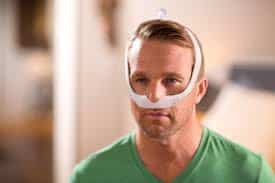
One of the most effective ways to reduce claustrophobia from CPAP masks is changing the mask type. Full-face masks, while necessary for some users, can feel restrictive to others. Nasal masks or nasal pillow masks offer a more open design and often feel less confining.
Sleep specialists and CPAP providers can help determine which style supports both breathing needs and comfort. Even small design differences can dramatically change how a mask feels emotionally and physically.
Gradual Exposure Techniques for CPAP Mask Anxiety
Practice While Awake
Trying to adapt to CPAP only at bedtime can increase anxiety. A more effective approach is wearing the mask while awake during calm moments — reading, watching television, or relaxing in the evening.
This allows the brain to associate the mask with safety rather than sleep pressure. Short, low-stress exposure sessions help desensitize the fear response over time.
Breathing Techniques to Calm CPAP-Related Panic
Slow, Controlled Breathing Helps the Body Relax
When anxiety spikes, breathing becomes shallow and rapid. Practicing slow, controlled breathing while wearing the CPAP mask can help signal safety to the nervous system.
Focusing on longer exhales often reduces panic sensations. Many users find that once breathing settles, the urge to remove the mask passes.
Adjusting CPAP Settings to Improve Comfort
Pressure Ramps and Comfort Features
High initial airflow can intensify claustrophobic sensations. Using a ramp feature allows the machine to start at a lower pressure and gradually increase as you fall asleep.
Comfort settings such as pressure relief during exhalation can also make breathing feel more natural. These adjustments often make a meaningful difference for users experiencing CPAP anxiety.
Creating a Calm Bedtime Environment for CPAP Use
Reduce Sensory Overload Before Sleep
A quiet, dimly lit bedroom helps lower overall anxiety levels. Limiting screens before bed, using soft lighting, and keeping the room cool can all reduce physical tension.
The calmer the body is before putting on the mask, the less likely claustrophobia will take hold.
When to Seek Professional Help for CPAP Claustrophobia
If claustrophobia persists despite gradual exposure and comfort adjustments, working with a sleep specialist is important. Specialists can recommend mask alternatives, modify therapy settings, or suggest behavioral strategies to ease anxiety.
In some cases, short-term cognitive behavioral techniques help users reframe fear responses and regain control during CPAP use.
Why Overcoming Claustrophobia Improves CPAP Adherence
Claustrophobia is a leading reason people abandon CPAP therapy. Addressing it early can dramatically improve long-term success. Once fear subsides, many users report that CPAP becomes easier, quieter, and even reassuring.
Improved comfort leads to better sleep, more consistent use, and stronger health outcomes over time.
Final Thoughts
Claustrophobia from CPAP masks is common — and it is not a sign that therapy has failed. With the right mask choice, gradual exposure, calming techniques, and professional guidance, most people can overcome CPAP-related anxiety.
CPAP therapy works best when it feels manageable, not forced. Addressing claustrophobia thoughtfully allows the treatment to do what it’s meant to do: help you breathe, sleep, and live better.