
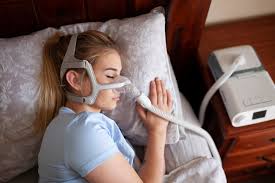
CPAP Machine Innovations are transforming how sleep apnea is treated, making therapy more comfortable and effective for millions of users worldwide. Sleep apnea is a common sleep disorder in which breathing repeatedly stops and starts throughout the night, often leading to fatigue, poor concentration, and long-term health risks. For many patients, CPAP therapy remains the gold standard treatment—but traditional CPAP machines can present challenges such as mask discomfort, dryness, excessive noise, or poor long-term compliance.
Because of these challenges, ongoing CPAP machine innovations play a critical role in improving quality of life for sleep apnea patients. By addressing real user concerns directly, newer technologies help optimize therapy outcomes while making treatment easier to tolerate and more sustainable over time. Ultimately, innovation is key to helping users stay consistent with their CPAP therapy and achieve better sleep health.
Smart Algorithms for Personalized Airflow in CPAP Devices
One of the most impactful CPAP Machine Innovations in 2026 is the integration of smart airflow algorithms. Rather than relying on fixed pressure settings, these next-generation systems use real-time data to automatically adjust pressure levels throughout the night.
By continuously analyzing breathing patterns, advanced CPAP machines deliver only the air pressure you need. As a result, comfort improves significantly while unnecessary pressure fluctuations are minimized.
Adaptive Pressure Technology — What It Means for You
With adaptive pressure and machine learning integration:
First, sleep apnea events are detected and responded to instantly.
Next, nightly pressure profiles become increasingly personalized.
Consequently, users experience fewer disturbances and better sleep continuity.
Because of this, adaptive technology makes CPAP therapy far more intuitive, especially for new users who struggle with traditional fixed-pressure devices.
Enhanced Mask Comfort and Fit With Dynamic Sealing Technologies
Mask discomfort has long been one of the biggest barriers to consistent CPAP use. Fortunately, mask design in 2026 is evolving rapidly. Thanks to dynamic sealing technologies, modern masks mold more naturally to individual face shapes while minimizing leaks.
How Comfort Enhancements Improve Compliance
New innovations focus on comfort without compromising performance:
For example, new silicone blends provide gentle seals without painful pressure points.
Meanwhile, adjustable frame designs help reduce air leaks and skin irritation.
In addition, quiet seal technologies significantly reduce noise during sleep.
As a result, better mask fit directly supports nightly consistency, which is essential for successful long-term sleep apnea therapy.
Advanced Humidifier Technology for Dryness and Congestion Relief
Dry mouth and nasal congestion remain among the most common CPAP complaints. To address this, improved humidifier modules in 2026 CPAP systems now use climate-controlled humidification. Specifically, these systems adjust moisture levels in response to room temperature and breathing humidity.
Why Climate Control Matters
Climate-adaptive humidification provides multiple benefits:
First, it reduces dry throat and nasal irritation.
Additionally, it prevents condensation buildup inside the tubing.
Finally, it offers customizable comfort tailored to individual preferences.
Together, these improvements make CPAP therapy far more comfortable and restorative.
Integrated Sleep Tracking and Compliance Monitoring
Patient adherence remains a top priority in sleep medicine. Therefore, modern CPAP systems increasingly feature built-in sleep tracking and compliance monitoring. Through wireless connectivity, these systems sync seamlessly with smartphone apps and clinician dashboards.
What This Means for Users
Integrated monitoring allows:
Real-time insight into nightly usage patterns.
Easy access to downloadable reports for medical consultations.
Personalized feedback and tips to improve therapy adherence.
Consequently, users feel more engaged in their treatment, while clinicians can make data-driven therapy adjustments.
Quiet Operation and Energy-Efficient CPAP Machines
Historically, machine noise has discouraged many users from continuing CPAP therapy. In contrast, CPAP machines in 2026 benefit from major advancements in noise reduction engineering and energy-efficient motors.
Sleep Quality Boosted by Low-Noise Designs
Modern systems now feature:
Ultra-quiet blowers operating under 25 decibels.
Whisper-quiet performance, which minimizes sleep disruptions.
Improved energy efficiency, extending device lifespan and reliability.
As a result, both users and bed partners enjoy more peaceful, uninterrupted sleep.
Portable CPAP Units for Travel and On-the-Go Sleep Therapy
Life doesn’t stop when you travel, and neither should effective sleep apnea treatment. Fortunately, the latest portable CPAP machines combine lightweight construction with powerful performance.
Portable Features You’ll Appreciate
Modern travel-friendly CPAP units offer:
Compact designs that fit easily into carry-on luggage.
Long-lasting battery options for remote or off-grid use.
Simplified controls paired with noise-dampening technology.
Ultimately, portable CPAP machines ensure therapy continuity wherever life takes you.
Conclusion — Embracing the Future of Sleep Health With CPAP Innovations
The CPAP landscape in 2026 is clearly shifting toward smarter, more comfortable, and more personalized therapy solutions. From adaptive airflow and intelligent sleep tracking to enhanced comfort and portability, these CPAP Machine Innovations are designed to improve the sleep apnea treatment experience night after night.
By staying informed, users can make confident decisions when selecting a CPAP system that fits their lifestyle, maximizes compliance, and supports truly restorative sleep. Whether you’re new to CPAP therapy or considering an upgrade, 2026 brings exciting advancements in sleep technology that genuinely make a difference.