

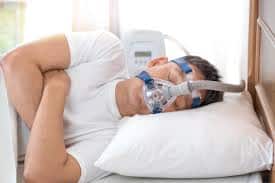
If you’ve ever tried CPAP therapy and thought, “This would be great if the mask didn’t bother me so much,” you’re not alone. Many people don’t struggle with the machine itself—they struggle with the mask. In fact, choosing the best CPAP mask often determines whether CPAP therapy becomes a life-changing habit or something that ends up in a closet after a few frustrating nights.
The truth is, there is no universal “best” mask. What works perfectly for one person may feel unbearable to someone else. Your breathing habits, sleeping position, comfort preferences, and even facial shape all matter. This guide walks you through how to choose a CPAP mask that actually works for you.
Why the Right CPAP Mask Makes Such a Big Difference
CPAP therapy depends on a steady flow of air keeping your airway open while you sleep. The mask is the only part of the system that touches your body, which means it plays a huge role in comfort and effectiveness.
When the mask isn’t right, common problems show up quickly:
- Air leaks that blow into your eyes or wake you up
- Red marks, soreness, or skin irritation in the morning
- Dry mouth or nasal discomfort
- Pulling the mask off halfway through the night without realizing it
Even small annoyances add up. Over time, they can make CPAP therapy feel exhausting instead of helpful. Choosing the best CPAP mask early—or switching when problems start—can dramatically improve how well you sleep.
Understanding CPAP Mask Types Before You Choose
Nasal Masks: A Reliable Everyday Option
Nasal masks cover only the nose and are one of the most commonly used styles. They offer a stable seal without covering the mouth, which many people find less intrusive.
They tend to work well if you breathe through your nose most of the night and don’t move excessively in your sleep. Many users find nasal masks strike a good balance between comfort and performance.
However, if you regularly breathe through your mouth or wake up with a dry mouth, this type of mask may not be ideal without additional support like a chin strap.
Nasal Pillow Masks: Lightweight and Minimal
Nasal pillow masks sit directly at the nostrils instead of covering the nose. Because they’re small and lightweight, they’re often preferred by people who feel claustrophobic or dislike bulky equipment on their face.
They’re especially popular with side sleepers and frequent travelers. That said, some users find higher air pressure uncomfortable with nasal pillows, particularly during the first few weeks of therapy.
Full Face Masks: Best for Mouth Breathers
Full face masks cover both the nose and mouth, ensuring consistent airflow even if your mouth opens during sleep. This makes them a good option for people with chronic nasal congestion, allergies, or frequent mouth breathing.
They can be slightly heavier than other mask types, and proper fitting is critical to avoid leaks. Still, for many users, a full face mask is the best CPAP mask for maintaining effective therapy.
How Your Sleep Habits Affect Mask Choice
Sleeping Position Matters More Than You Think
Your sleep position can make or break mask comfort. Side sleepers often do better with smaller, low-profile masks that don’t press into the pillow. Back sleepers usually have more flexibility in mask style.
If you move a lot during the night, look for masks with flexible tubing connections that allow movement without breaking the seal.
CPAP Mask Leaks: A Common but Fixable Problem
Leaks are one of the most frequent CPAP complaints, but they’re often related to fit rather than mask quality. A mask that’s too large, too small, or overtightened is more likely to leak.
Simple steps can help:
- Adjust straps gradually, not all at once
- Replace cushions regularly as they soften over time
- Clean the mask daily to remove facial oils
Many people discover that switching to a different style is all it takes to reduce leaks and sleep through the night.
Comfort Features That Improve Long-Term Use
Modern CPAP masks are far more comfortable than older designs. Soft silicone cushions, memory foam options, quieter vents, and quick-release clips can make nightly use feel easier and less disruptive.
Comfort isn’t about luxury—it’s about consistency. The best CPAP mask is one you can wear comfortably for the entire night, every night.
When It’s Time to Reconsider Your CPAP Mask
Even a well-fitting mask won’t last forever. Over time, materials wear out, facial structure can change with weight loss or gain, and sleep habits evolve.
If you notice increased leaks, discomfort, or irritation that didn’t exist before, it may be time to reassess your mask choice rather than pushing through frustration.
Final Thoughts: Choosing the Best CPAP Mask Is Personal
There’s no single answer to which CPAP mask is best. The right choice depends on how you sleep, how you breathe, and what feels comfortable on your face. Taking the time to experiment, adjust, and replace when needed can turn CPAP therapy into something that truly improves your quality of life.