

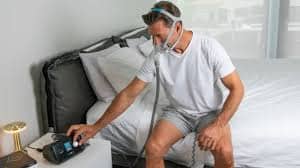
Being told you may need CPAP therapy can feel overwhelming. Most people don’t worry about the diagnosis as much as they worry about the treatment itself. Sleeping with a mask and machine isn’t something anyone expects. This CPAP Beginner’s Guide is designed to help you understand what CPAP therapy really involves and whether it’s the right choice for you.
What Is CPAP Therapy and Why Is It Recommended?
Understanding CPAP Therapy for Sleep Apnea
CPAP therapy, or Continuous Positive Airway Pressure therapy, is the most common treatment for obstructive sleep apnea. Sleep apnea causes the airway to collapse during sleep, leading to repeated breathing pauses throughout the night.
A CPAP machine delivers steady air pressure through a CPAP mask, keeping the airway open so breathing stays smooth and uninterrupted. As a result, oxygen levels remain stable and sleep becomes deeper and more restorative.
How CPAP Therapy Works: A Beginner-Friendly Explanation
How Air Pressure Supports Your Airway During Sleep
Many beginners imagine CPAP air pressure as forceful. In reality, the pressure is gentle and carefully set to prevent airway collapse. Think of it as support rather than force. This steady airflow acts like a brace, holding the airway open so it doesn’t close when throat muscles relax.
This basic principle is at the heart of every CPAP Beginner’s Guide.
Who Should Consider CPAP Therapy?
CPAP Therapy for Moderate to Severe Sleep Apnea
Doctors usually recommend CPAP therapy for people with moderate to severe sleep apnea diagnosed through a sleep study. Symptoms often include loud snoring, choking or gasping during sleep, morning headaches, and excessive daytime fatigue.
When Mild Sleep Apnea May Still Need CPAP
Even mild sleep apnea can affect quality of life. If daytime sleepiness, poor concentration, or mood changes persist, CPAP therapy may still provide meaningful benefits.
Common CPAP Problems Beginners Worry About
CPAP Mask Comfort and Fit Issues
Mask discomfort is one of the most common beginner concerns. CPAP masks come in different styles, including nasal pillows, nasal masks, and full-face masks. Finding the right fit often takes time, but small adjustments can greatly improve comfort.
CPAP Mask Leaks and How to Fix Them
Mask leaks occur when air escapes around the seal. Leaks can cause noise, dry eyes, and reduced therapy effectiveness. Adjusting straps, changing sleeping positions, or switching mask types usually solves the problem.
Dry Mouth, Nose, or Throat With CPAP Use
Dryness is common early on. Many CPAP machines include heated humidifiers that add moisture to the air, reducing irritation and improving comfort.
What to Expect During Your First Weeks on CPAP
The Adjustment Period Explained
Almost everyone experiences an adjustment phase. Sleeping with a CPAP machine feels unfamiliar at first. However, most users adapt within a few weeks as their body learns to relax with the airflow.
This adjustment period is an important topic in every CPAP Beginner’s Guide, because early discomfort does not mean failure.
Building Confidence With CPAP Therapy
Using CPAP consistently, even for short periods at first, helps build tolerance. Many users start noticing better sleep quality, improved energy, and fewer nighttime awakenings within the first month.
Health Benefits of CPAP Therapy Over Time
Improved Sleep Quality and Daytime Energy
Once breathing stabilizes, sleep becomes deeper and more restorative. Users often report better focus, improved mood, and less daytime fatigue.
Long-Term Health Protection
Untreated sleep apnea increases the risk of high blood pressure, heart disease, stroke, and metabolic disorders. CPAP therapy reduces nightly stress on the body and supports long-term cardiovascular health.
Is CPAP Therapy Right for You?
CPAP therapy isn’t always easy at first, but it remains the most effective treatment for sleep apnea. If poor sleep affects your health, energy, or safety, CPAP therapy may be worth the adjustment.
This CPAP Beginner’s Guide exists to remind you that early challenges are common, solutions are available, and long-term benefits are real. With the right support and realistic expectations, CPAP therapy can become a routine part of healthier sleep.