

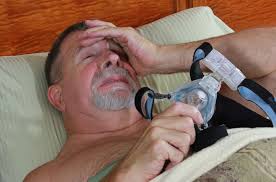
For anyone living with sleep apnea, starting CPAP therapy is a big step toward healthier sleep. But using a CPAP machine once in a while isn’t enough. The real benefits — from improved sleep quality to long-term cardiovascular health — come from consistent CPAP use. Understanding why consistency matters can help patients stick with therapy and get the results they deserve.
How Consistent CPAP Use Improves Sleep Quality
CPAP Therapy Keeps Your Airway Open Every Night
Obstructive sleep apnea happens when the airway collapses during sleep, causing pauses in breathing. Using a CPAP machine delivers a steady stream of air, preventing collapse and keeping airflow stable. But skipping nights or using it inconsistently allows the airway to collapse again, undoing the progress gained from prior nights.
Better Sleep Cycles Require Regular CPAP Use
Interrupted sleep cycles from untreated apnea reduce deep sleep, leaving you groggy and fatigued. Consistent CPAP use ensures your body reaches deeper stages of sleep each night, improving memory, mood, and daytime alertness.
The Long-Term Health Benefits of Consistent CPAP Therapy
Cardiovascular Protection Through Regular CPAP Use
Repeated oxygen dips from untreated apnea put stress on the heart and blood vessels. Consistent CPAP therapy reduces blood pressure fluctuations, decreases strain on the cardiovascular system, and lowers the risk of heart disease and stroke over time.
Improved Cognitive Function and Emotional Health
People with untreated sleep apnea often experience brain fog, irritability, and decreased concentration. Using CPAP consistently helps restore oxygen flow and healthy sleep patterns, which supports better cognitive function, mental clarity, and emotional well-being.
Enhanced Daytime Energy and Productivity
One of the most noticeable effects of consistent CPAP use is improved daytime alertness. Regular therapy allows your body to recover fully during sleep, so you wake up feeling rested, focused, and ready to face daily activities.
Common Barriers to Consistent CPAP Use and How to Overcome Them
Mask Discomfort or Leaks
A poorly fitted CPAP mask can cause irritation, pressure points, or air leaks. Adjusting straps, switching mask types, or using cushions can significantly improve comfort and encourage consistent use.
Dryness, Congestion, or Pressure Sensations
Dry mouth, nasal congestion, or feeling too much pressure can make using a CPAP machine uncomfortable. Heated humidifiers, ramp settings, and minor pressure adjustments often solve these problems without reducing therapy effectiveness.
Psychological Barriers
Some patients feel claustrophobic or anxious with a mask. Gradually increasing usage time, practicing mask fitting while awake, and maintaining a consistent bedtime routine can help overcome this hurdle.
How to Track and Maintain Consistent CPAP Use
Monitoring Usage Through CPAP Data
Most modern CPAP machines track nightly usage, mask leaks, and pressure levels. Reviewing this data with your sleep specialist can help identify patterns and adjust settings for optimal comfort and adherence.
Setting Realistic Goals for Nightly Use
Experts recommend aiming for at least 4–6 hours of CPAP use per night initially, gradually increasing to full-night usage. Regular routines and positive reinforcement, like noticing improved energy levels, reinforce adherence.
Follow-Up With Your Sleep Specialist
Regular check-ins with a sleep specialist are crucial. They can recommend changes to mask type, humidification, or pressure settings to ensure therapy remains comfortable and effective, promoting consistent CPAP use in the long term.
Why Consistency Matters More Than Perfection
Missing a night or two is normal, but repeated inconsistencies reduce the overall effectiveness of CPAP therapy. Consistency matters more than perfection because regular usage allows your body to stabilize oxygen levels, maintain proper sleep cycles, and protect long-term health.
Conclusion: Consistent CPAP Use Leads to Real-Life Improvements
The key takeaway is simple: the more consistent you are with CPAP therapy, the more benefits you’ll experience — from better sleep to stronger heart health, improved focus, and higher energy levels. Understanding the importance of consistent CPAP use, recognizing barriers, and working with a healthcare professional to overcome challenges are essential steps toward a healthier life.