

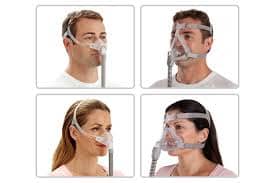
CPAP Care Checklist is not something most people think about when they first start therapy. In the beginning, the focus is simple: wear the mask, turn on the machine, and try to sleep. Maintenance usually becomes an afterthought—until something starts to feel off.
For example, the mask may suddenly begin to leak. In other cases, the air might smell stale, or you could wake up with a dry throat or congestion that wasn’t there before. Most importantly, those problems usually don’t mean CPAP isn’t working. Instead, they signal that the equipment needs better care.
This checklist breaks CPAP care down into realistic steps that fit into daily life, rather than an ideal routine that no one actually follows.
Why CPAP Care Affects How Well Therapy Works
CPAP machines push air directly into your airway for hours every night. Along the way, that air passes through a mask, tubing, and often a humidifier. Over time, moisture from breathing, skin oils, and room dust collect inside those parts.
When equipment gets dirty or worn, several issues begin to appear.
Masks lose their seal.
As a result, airflow becomes inconsistent.
At the same time, irritation and dryness increase.
Eventually, therapy starts to feel harder to tolerate.
Because of this, a regular CPAP Care Checklist keeps small problems from turning into reasons people quit therapy altogether.
CPAP Care Checklist: What to Do Every Day
Clean the Mask Cushion
The part of the mask that touches your face matters more than any other. Since facial oils build up quickly, they cause slipping and leaks. A quick wash with warm water and mild soap in the morning keeps the cushion soft and effective.
Empty the Humidifier Chamber
Leaving water in the chamber all day creates the perfect environment for bacteria. Therefore, empty it each morning and let it air dry. Then, refill it with fresh water at night.
Look for Early Signs of Mask Leaks
Before bed, check the cushion edges. If they feel stiff or curled, leaks usually follow soon after. By catching this early, you prevent restless nights before they start.
Weekly CPAP Cleaning Checklist That Prevents Problems
Wash CPAP Tubing
Tubing doesn’t need daily cleaning; however, it does need weekly attention. Warm soapy water removes moisture buildup and keeps airflow smooth. Afterward, always let it dry completely.
Clean Headgear and Straps
Headgear absorbs sweat and stretches over time. Because of this, washing it weekly helps maintain a stable fit so the mask doesn’t shift when you move during sleep.
Clean the Humidifier More Thoroughly
Mineral residue forms even with distilled water. As a result, weekly cleaning helps prevent cloudy buildup and keeps humidity consistent.
Monthly CPAP Care Checklist for Long-Term Use
Replace or Wash Filters
Filters quietly do their job until they can’t anymore. When a filter becomes clogged, airflow is restricted and dust is pulled into the machine. Disposable filters usually need replacing monthly.
Check Mask Cushion Condition
If leaks suddenly increase or you find yourself tightening the mask more than usual, the cushion may be worn. In many cases, replacing it solves the issue immediately.
Pay Attention to How You Feel
Even if you’re using CPAP consistently, ongoing fatigue can be a sign that something needs adjustment. Over time, pressure needs can change, and comfort issues should never be ignored.
CPAP Comfort Tips That Make Care Worth It
Adjust Humidity Based on Symptoms
Dry mouth, sore throat, or congestion often relate to humidity settings. Fortunately, small adjustments can improve comfort without changing the mask or machine.
Refit the Mask Occasionally
Faces change. Weight fluctuates. Sleep positions shift. Because of this, a mask that fit well a year ago may not fit the same today.
Replace Worn Parts on Schedule
Old equipment works against you. On the other hand, fresh cushions, clean tubing, and new filters make CPAP easier to tolerate.
When CPAP Issues Mean You Should Talk to a Professional
Even with a solid CPAP Care Checklist, some problems require expert input. For instance, ongoing leaks, pressure discomfort, or morning headaches may indicate that therapy settings need adjustment. A sleep specialist can review your data and fine-tune treatment.
Turning the CPAP Care Checklist Into a Habit
Good CPAP care doesn’t require perfection; instead, it requires consistency. Most steps take only a few minutes and save hours of frustration later.
When equipment stays clean and comfortable, CPAP stops feeling like a chore. Ultimately, it becomes what it’s meant to be—a tool that helps you sleep, breathe, and function better every day.
That’s the real value of a CPAP Care Checklist.