

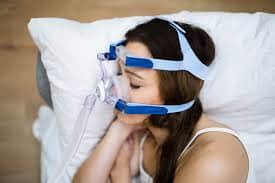
If you’ve ever woken up with red marks, irritation, or dry skin after using your CPAP mask, you’re not alone. Many CPAP users assume discomfort is something they just have to accept. But in reality, it’s often a sign that your CPAP mask cushion isn’t right for your skin type. Choosing the right cushion can make the difference between struggling through therapy and actually feeling rested every morning.
This guide helps you understand how different cushion materials work and how to pick one that feels natural against your skin — no redness, no leaks, and no frustration.
Why the Right CPAP Mask Cushion Matters
The CPAP mask cushion forms the seal between your face and your mask frame. Its job is simple: prevent leaks while remaining comfortable through the night. But every person’s skin reacts differently to pressure and materials.
For example, oily skin can cause silicone cushions to slide around, leading to leaks. Sensitive skin might react to the friction of a gel cushion. Dry skin types can become even more irritated if the mask draws moisture away overnight.
Finding the cushion that complements your skin means fewer adjustments, less irritation, and a more reliable seal — which ultimately leads to better therapy results and deeper sleep.
Silicone CPAP Cushions: Lightweight and Reliable
Silicone is the most common material for CPAP mask cushions, and for good reason. It’s soft, lightweight, and forms a strong seal without pressing too hard on the skin.
However, silicone may not be ideal for everyone. People with oily or combination skin often notice their mask slipping during the night. A quick fix is to wash your face before bed and gently clean the cushion daily. Regular cleaning keeps the silicone grippy and prevents buildup from oils or lotions that weaken the seal.
If you don’t have sensitive skin and prefer a low-maintenance option, silicone is a great starting point.
Gel CPAP Cushions: Comfort for Sensitive Skin
For users who experience skin tenderness or pressure marks, gel cushions can feel like a relief. The gel layer molds more closely to the face, spreading pressure evenly and reducing friction.
People with dry or sensitive skin types often find gel cushions less irritating. But there’s a trade-off — gel masks can be slightly heavier and may trap more heat, which can be uncomfortable in warmer climates.
To get the best of both worlds, pair your gel cushion with a CPAP mask liner made from breathable cotton. This absorbs sweat and keeps your skin cool through the night.
Memory Foam CPAP Cushions: The Next Level of Comfort
Memory foam cushions are relatively new but quickly becoming a favorite among long-term CPAP users. They contour perfectly to the shape of your face and create a seal without much pressure.
If your skin tends to react to silicone or gel, memory foam might be the solution. It’s especially useful for combination or normal skin types. The only catch? These cushions can’t be washed with soap and water — you’ll need to replace them every 30 days for hygiene and performance.
Many users say memory foam cushions make CPAP therapy feel “barely there,” which can make a huge difference if you’ve struggled with mask comfort before.
Matching Cushion Type with Your Skin
Here’s a simple way to match your CPAP mask cushion to your skin type:
- Oily skin: Silicone cushion (clean daily)
- Dry skin: Gel cushion (retain moisture)
- Sensitive skin: Memory foam or gel (gentle surface)
- Combination skin: Memory foam or silicone (balance of seal and comfort)
If you’re still unsure, test different types through your CPAP supplier. Many clinics offer trial fittings so you can feel how each material reacts to your skin over a few nights.
Preventing Skin Irritation and Mask Leaks
Even the perfect cushion won’t perform well without a proper care routine. Follow these small but important habits:
- Wash your face before bed. Oils and lotions reduce cushion grip.
- Clean your cushion daily. Use mild soap and warm water, not alcohol-based wipes.
- Replace on schedule. Worn-out cushions lose their shape and cause leaks.
- Check your fit. A too-tight mask creates pressure marks; too loose causes air leaks.
These steps can extend your cushion’s life and keep your skin healthy night after night.
The Role of Humidity in CPAP Comfort
Sometimes, the problem isn’t the cushion itself — it’s dryness caused by airflow. Using a CPAP humidifier adds moisture to the air and helps prevent dry mouth, nose irritation, and cracked skin.
If you wake up feeling parched or notice your skin drying out despite regular cleaning, increasing your humidifier level may help balance the air and improve your overall comfort.
Listen to Your Skin
Your skin is the best indicator of whether your CPAP mask cushion is the right fit. If you wake up with marks that last for hours or persistent irritation, something’s off. Try loosening your headgear slightly or switching cushion styles.
Comfort and effectiveness go hand in hand. When your mask fits right, you’ll not only sleep better but also feel more confident continuing therapy long-term.
Final Thoughts
Choosing the right CPAP mask cushion for your skin type is a small but crucial step in making your CPAP therapy successful. Whether you prefer silicone, gel, or memory foam, the best cushion is the one that keeps your skin happy and your therapy leak-free.
Experiment, clean consistently, and pay attention to your body’s signals. With the right cushion, you can wake up refreshed — without red marks, leaks, or discomfort.