

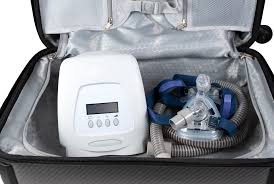
For many people living with sleep apnea, a CPAP machine isn’t optional—it’s the key to waking up clear-headed, energized, and ready for the day. But when you finally get the chance to take a trip, the idea of traveling with a CPAP machine may feel stressful. What about airport rules? Power outlets? Packing the mask and tubing?
The good news is that once you understand a few simple rules, bringing your CPAP on a plane, road trip, or international vacation becomes much easier than you’d expect.
Why Traveling With a CPAP Machine Matters for Your Health
Even a few nights without CPAP therapy can lead to the return of loud snoring, poor sleep quality, dry mouth, headaches, brain fog, and irritability. For people with moderate or severe sleep apnea, skipping therapy on vacation often means feeling exhausted during the day—something no traveler wants.
Using your CPAP consistently helps you enjoy your trip instead of spending it fighting sleepiness.
How to Prepare Your CPAP for Travel (Carry-On, Not Checked!)
Always Pack Your CPAP Machine as a Medical Device
Airlines consider CPAP machines medical equipment. This means:
- You may bring it in addition to your standard carry-on bag.
- It should not go in your checked luggage (risk of damage, lost bags, moisture, pressure changes).
When you’re traveling with a CPAP machine, place it in a protective case and keep important accessories—mask, tubing, power supply, and filters—inside one bag.
Bring a Travel Checklist
A simple checklist prevents last-minute stress:
- CPAP machine
- Mask + extra cushion
- Tubing
- Power cord
- Extension cord
- Plug adapters (for international travel)
- Backup filters
- Distilled water (or plan to buy it at destination)
Airport Screening Tips for CPAP Users
CPAP and TSA Security Rules
Security agents will ask you to remove your device from its case, similar to a laptop. The machine may go through its own screening tray, while tubing and mask can remain in the bag.
Tip: Use a clear plastic bag to place your CPAP in during inspection. It protects the device from dust and dirty bins.
Know Your Rights as a Medical Device User
You can request:
- A fresh pair of gloves before an agent handles your machine
- A private screening room if needed
- Special accommodation if you have mobility or health concerns
Traveling with a CPAP machine becomes far easier when you know the process in advance.
Flying With CPAP: In-Flight Use and Battery Information
Can You Use CPAP During the Flight?
Some airlines allow CPAP use during long flights, but each carrier has its own rules. Always check:
- Whether in-flight outlets support medical devices
- If you need a battery instead of plug-in power
- If advance notice is required
Choosing the Right CPAP Battery for Travel
A CPAP backup battery is essential if you’re:
- Camping
- Sleeping on an airplane
- Traveling somewhere with unreliable electricity
Look for FAA-approved lithium-ion batteries specifically designed for CPAP machines. Most offer 8–16 hours of power depending on pressure settings and humidifier use.
Tip: Turning off the heated humidifier conserves battery life.
Hotel Tips: Power, Distilled Water & Humidification
Hotels often have awkwardly placed outlets, so bring a lightweight extension cord. If you use a humidifier, buy distilled water after arrival. If distilled water is not available for a couple of nights, use clean bottled water—just switch back to distilled when you return home.
How to Travel Internationally With a CPAP Machine
Voltage Differences and Plug Adaptors
Most modern CPAP machines automatically adjust to 100–240V, which makes them safe to use in most countries. However, you still need:
- The correct plug adapter
- A universal travel kit to prevent outlet issues
Customs Rules and Documentation
It’s rare to face problems at customs, but carrying a copy of your prescription or CPAP medical necessity letter can speed up conversations with airport officials if questions arise.
Camping and Outdoor Travel With a CPAP Machine
Portable CPAP Machines for Outdoor Trips
If you’re camping or RV traveling, lightweight CPAP devices make travel simpler:
- Compact travel CPAPs
- Solar charging kits
- Portable humidifiers
Using a CPAP Without Power
A fully charged CPAP battery or solar panel can keep your therapy running even in remote locations.
Cleaning and Maintaining Your CPAP While Traveling
Pack a small cleaning kit:
- Travel-size wipes
- Mild soap
- A quick-drying towel
Clean your mask daily and your tubing every 1–2 days to prevent irritation or mask leaks.
Common Travel Problems and How to Fix Them
Leaks and Mask Irritation While Traveling
Changes in humidity, altitude, or sleeping positions can make your mask leak during travel. Adjust your headgear straps or try a different sleep position.
Dry Nose, Dry Mouth, or Congestion
Travel environments can be extremely dry. If possible, use the humidifier and bring nasal saline spray to prevent discomfort.
Final Thoughts: Traveling With a CPAP Machine Shouldn’t Slow You Down
With a little preparation, traveling with a CPAP machine becomes simple—and even second nature. Maintaining consistent CPAP therapy means you stay energized, sleep well, and enjoy every moment of your trip.