
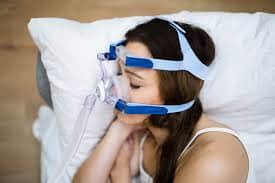
CPAP myths often stop people from getting the full benefit of sleep apnea treatment before they even give it a fair chance. Many new users begin CPAP therapy with fear, hesitation, or frustration—not because the therapy doesn’t work, but because of misinformation. When these myths go unchallenged, they can lead to poor compliance, unnecessary discomfort, and ultimately worse sleep.
The truth is simple: CPAP therapy works when it’s understood and used correctly. Let’s break down the most common CPAP myths that may be holding you back from better sleep—and what you should know instead.
Myth 1: CPAP Therapy Is Always Uncomfortable
One of the most common CPAP myths is that therapy is naturally uncomfortable and hard to tolerate. While it can feel unfamiliar at first, discomfort is usually a sign of incorrect setup rather than a flaw in the therapy itself.
Modern CPAP machines are designed with comfort in mind. Features like auto-adjusting pressure, heated humidification, and quieter motors significantly reduce discomfort. In addition, mask design has improved dramatically, offering nasal pillows, nasal masks, and full-face options for different sleep styles.
Most discomfort fades once the mask fits properly and pressure settings are optimized.
Myth 2: CPAP Masks Always Leak
CPAP mask leaks are frustrating, but they are not inevitable. This myth often discourages users who assume leaks mean CPAP therapy isn’t working.
In reality, leaks usually happen because of:
- Incorrect mask size
- Overtightened headgear
- Worn-out cushions
- Changes in sleep position
When a mask fits correctly and is well maintained, leaks are minimal. Regular cleaning and replacing cushions on schedule play a major role in preventing air leaks and maintaining consistent therapy.
Myth 3: You’ll Become Dependent on CPAP
Many people worry that once they start CPAP therapy, they’ll become dependent on it forever. This belief misunderstands how CPAP works.
CPAP does not weaken your breathing or make sleep apnea worse. Instead, it keeps your airway open while you sleep, allowing your body to function normally. If underlying factors like weight, anatomy, or nasal obstruction change, therapy needs may also change.
CPAP treats sleep apnea—it doesn’t cause dependence.
Myth 4: CPAP Is Only for Severe Sleep Apnea
Another damaging CPAP myth is that therapy is only necessary for severe cases. In fact, even mild to moderate sleep apnea can negatively affect sleep quality, focus, heart health, and mood.
CPAP therapy helps prevent repeated oxygen drops and nighttime awakenings regardless of severity. Many people with mild sleep apnea report significant improvements in daytime energy, memory, and overall well-being once therapy begins.
Ignoring treatment simply because symptoms seem “mild” can lead to long-term health issues.
Myth 5: CPAP Problems Mean the Therapy Isn’t Working
New users often assume that dryness, congestion, or difficulty exhaling means CPAP therapy is failing. In reality, these are common adjustment issues with clear solutions.
For example:
- Dry mouth often improves with humidifier adjustments
- Nasal congestion may respond to heated tubing
- Pressure discomfort can be addressed with ramp or auto settings
CPAP therapy is highly customizable. Most issues can be resolved without stopping treatment—sometimes with very small changes.
Why Believing CPAP Myths Hurts Your Sleep
When CPAP myths go unchallenged, users are more likely to quit therapy early. This leads to untreated sleep apnea, ongoing fatigue, and increased health risks such as high blood pressure and heart disease.
Understanding the truth behind CPAP therapy allows users to approach treatment with realistic expectations and confidence. Education, patience, and proper equipment support make a measurable difference.
How to Get the Most Out of CPAP Therapy
To move past CPAP myths and improve your experience:
- Use a mask that fits your face and sleep style
- Clean equipment regularly to maintain performance
- Adjust humidity and pressure for comfort
- Replace worn components on schedule
- Communicate with a sleep professional when issues persist
Better sleep doesn’t come from avoiding CPAP—it comes from using it correctly.
Final Thoughts on CPAP Myths
CPAP myths are powerful, but they are not facts. When you separate misinformation from reality, CPAP therapy becomes far more manageable and effective.
With the right setup, support, and mindset, CPAP can transform not only how you sleep—but how you feel every day. Better sleep is possible, and understanding the truth is the first step.