

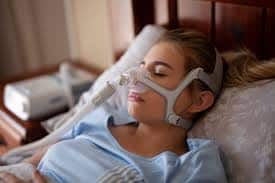
Living with obstructive sleep apnea often means using CPAP therapy every night. While CPAP can be life-changing, many people struggle with CPAP adherence — using their machine consistently and correctly. Establishing simple, intentional nighttime routines can make a big difference in your comfort, your sleep quality, and ultimately how often you stick with your therapy. In this guide, we’ll explore practical tips and habits designed specifically to support better CPAP adherence and help you sleep easier.
Why Your Sleep Routine Matters for CPAP Adherence
Consistency is critical when it comes to CPAP therapy. Skipping nights or using your device only part of the time can reduce benefits, including improved daytime energy, lower cardiovascular risk, and fewer sleep disruptions. A calming, structured bedtime routine signals your body that it’s time to wind down — which supports both better sleep and stronger CPAP adherence.
Understanding How Habits Boost CPAP Adherence Success
Before diving into specific routines, it’s helpful to understand why habits matter. Your brain responds to patterns. When you follow the same steps each night before bed, your nervous system begins to expect rest. This makes falling asleep with your machine on feel more natural and less like a chore. Establishing bedtime habits also reduces stress, which can improve comfort and reduce mask resistance or leakage issues — two common barriers to consistent CPAP use.
Establish a Calming Pre-Sleep Routine for Better CPAP Adherence
Wind Down with Relaxing Activities 30–60 Minutes Before Bed
One of the best ways to improve CPAP adherence is to enter sleep with a calm body and mind. Try activities that help you relax, such as:
- Light stretching or gentle yoga
- Reading a physical book or journaling
- Deep breathing or guided meditation
- Listening to soft, calming music
These actions tell your body that it’s time to shift into rest mode — making it easier to start sleep with your CPAP mask comfortably in place.
Optimize Your Sleep Environment for CPAP Comfort
Your bedroom setup plays a big role in how you fall asleep and how your CPAP therapy feels.
Keep the Room Cool, Quiet, and Comfortable
Most people sleep best when the room is slightly cool (around 60–67°F / 15–19°C). A dark, quiet space can help reduce restless movements that might disrupt your mask seal or lead to uncomfortable leaks. Consider blackout curtains, white noise machines, or eye masks to create a peaceful sleep setting.
A calmer environment doesn’t just improve sleep quality — it encourages reliable CPAP adherence over time.
Create a Regular Sleep Schedule to Support CPAP Therapy
Go to Bed and Wake Up at the Same Time Every Day
Our bodies thrive on consistency. Going to bed and waking up at the same times each day strengthens your circadian rhythm. With a regular schedule, your brain becomes accustomed to sleep cues — making it easier to fall asleep swiftly and stay asleep with your CPAP machine.
This regularity also supports stable pressure delivery, reduced wakefulness, and fewer interruptions — all of which help boost long-term CPAP adherence.
Prepare Your CPAP Equipment as Part of Your Routine
Rather than seeing CPAP setup as a separate task, integrate it into your bedtime flow.
Tips to Smooth Your CPAP Start-Up
- Wash or wipe down your mask daily — clean equipment feels more comfortable.
- Check water levels in your humidifier if you use one.
- Adjust your hose and mask before lying down to prevent tangles or pressure points.
- Test your mask fit while upright, not after you’re already in bed.
Seeing CPAP setup as a standard part of your evening ritual reduces resistance and increases comfort — which enhances CPAP adherence.
Develop Calming Breathing Techniques to Relax with CPAP
Breathing comfortably through a mask can feel strange at first. Practicing slow, intentional breathing before sleep can reduce anxiety and help your body accept airflow.
Try Box Breathing or 4-Second Breaths
- Inhale for 4 seconds
- Hold for 4 seconds
- Exhale for 4 seconds
- Pause for 4 seconds
Repeat this cycle a few times before putting on your mask to settle into a relaxed state.
What to Do if You Struggle With Discomfort or Resistance
Even with a strong routine, everyone has off nights. If you experience discomfort, partner with your sleep clinician or CPAP provider. Minor adjustments in mask type, cushion material, or pressure settings can make a major difference. Sometimes progressive use — starting with short sessions while awake — can build tolerance and improve long-term CPAP adherence.
Final Thoughts: A Better Night’s Sleep Begins With Routine
Good sleep hygiene and structured nightly habits are key to getting the full benefit of CPAP therapy. By creating a calming bedtime routine, optimizing your environment, and treating your CPAP use as part of your regular sleep rhythm, you set yourself up for consistent, comfortable sleep. Remember: successful CPAP adherence isn’t about perfection — it’s about making manageable, supportive changes that fit into your life.