

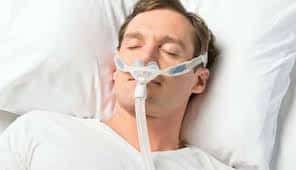
Starting CPAP therapy as a new CPAP user can feel overwhelming at first. Most people are not as anxious about the diagnosis itself as they are about the treatment that follows. Wearing a mask, sleeping beside a machine, and relying on pressurized air through the night is not something anyone grows up expecting to do.
The good news is this: almost every experienced CPAP user once felt the same uncertainty. Those early concerns—about comfort, noise, movement, or sleep quality—are extremely common. What matters most is understanding what to expect before your first night and realizing that early challenges are normal, temporary, and usually easy to fix with the right guidance.
This guide is designed to walk every new CPAP user through what to realistically expect when starting CPAP therapy. By knowing the basics in advance, you can approach your first nights with confidence, reduce frustration, and build habits that make long-term CPAP success far more achievable.
Understanding CPAP Therapy and How It Actually Works
CPAP therapy, short for Continuous Positive Airway Pressure therapy, is designed to keep your airway open while you sleep. Instead of treating symptoms like snoring, it addresses the root problem—airway collapse during sleep.
The machine delivers a steady flow of air through a mask, preventing breathing pauses that disrupt sleep and reduce oxygen levels. When used consistently, CPAP therapy allows your body to enter deeper, more restorative sleep stages.
Many new users expect instant results. While some feel better quickly, for most people improvement happens gradually over weeks of consistent use.
What CPAP Therapy Feels Like in the Beginning
The first few nights of CPAP therapy often feel strange. The sensation of airflow can take time to get used to. Some people feel like they’re breathing “against” the machine, even though it’s actually helping.
This adjustment period is normal. Your brain and breathing patterns are adapting to uninterrupted airflow for the first time in years.
Common early experiences include:
- Light sleep or frequent waking
- Mild nasal dryness
- Awareness of the mask on your face
These issues usually improve as your body adjusts.
Choosing the Right CPAP Mask Matters More Than the Machine
CPAP Mask Types for New Users
New CPAP users often assume the machine is the most important part. In reality, the mask plays a bigger role in comfort and long-term success.
Common mask options include:
- Nasal masks for nose breathers
- Nasal pillow masks for minimal contact
- Full face masks for mouth breathing or congestion
There is no “best” mask for everyone. The right choice depends on how you breathe, how you sleep, and what feels comfortable on your face.
CPAP Mask Fit and Leak Prevention
Mask leaks are one of the most common early problems in CPAP therapy. Leaks usually come from poor fit, worn cushions, or over-tightening straps.
A properly fitted mask should feel secure but not tight. Red marks, soreness, or air blowing into your eyes are signs adjustments are needed—not signs of failure.
Sleeping Positions and CPAP Therapy Comfort
Your sleep position affects how well CPAP therapy works. Side sleepers often need low-profile masks that don’t press into the pillow. Back sleepers may tolerate more mask styles.
New CPAP users should expect to make small adjustments to pillows, tubing placement, or mask position to find what works best.
These changes are part of the process.
Common CPAP Problems New Users Experience (and How to Handle Them)
Dry Nose or Mouth
Dryness is common when starting CPAP therapy. Heated humidifiers, mask changes, or humidity adjustments often resolve the issue quickly.
Feeling Claustrophobic
Some new users feel anxious wearing a mask. Wearing the mask while awake—reading or watching TV—can help your brain adjust before bedtime.
Taking the Mask Off During Sleep
Many people remove the mask unconsciously in the first weeks. This usually stops once comfort improves and sleep stabilizes.
Why Consistency Is Critical for CPAP Therapy Success
CPAP therapy only works when used regularly. Skipping nights or removing the mask early limits the benefits.
Even on nights when sleep feels restless, wearing the mask helps your body adapt faster. Most long-term CPAP users say consistency—not perfection—made the difference.
When to Ask for Help Instead of Giving Up
New CPAP users sometimes assume discomfort means CPAP therapy isn’t right for them. In reality, most problems can be solved with:
- Mask changes
- Pressure adjustments
- Humidity settings
- Education and support
Asking questions early prevents frustration later.
Final Thoughts: CPAP Therapy Is a Learning Process
CPAP therapy is not something you master in one night. It’s a process of learning, adjusting, and improving. Nearly every successful CPAP user started out unsure—and stayed with it long enough to feel the benefits.
Better sleep doesn’t happen instantly, but it does happen for those who stay patient and persistent.
And once it does, the difference is often life-changing.