

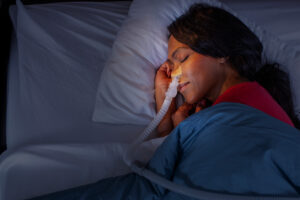
Starting CPAP therapy can feel overwhelming at first. Many people assume that once they get the machine, good sleep will automatically follow. In reality, the bedroom environment plays a huge role in how comfortable and effective CPAP therapy becomes over time.
Small details—like room temperature, air quality, lighting, and even where the CPAP machine sits—can make the difference between struggling every night and sleeping through it peacefully. Creating the perfect bedroom environment for CPAP therapy helps your body relax, reduces common CPAP problems, and supports long-term success.
Why Your Bedroom Setup Affects CPAP Therapy So Much
CPAP therapy works by delivering steady air pressure to keep your airway open. But when the sleep environment is uncomfortable, the body stays alert instead of resting. That tension often shows up as mask leaks, dry nose, frequent awakenings, or the urge to remove the mask during the night.
Many long-term CPAP users say their sleep only improved after they adjusted their bedroom—not after changing machines or masks.
Bedroom Temperature and CPAP Comfort at Night
Finding the Right Sleeping Temperature for CPAP Users
A room that’s too warm can cause sweating, especially around the face. When that happens, mask seals loosen and leaks begin. On the other hand, very cold air may irritate the nose and throat.
Most CPAP users sleep best in a cool but comfortable room, usually between 60 and 67 degrees Fahrenheit.
Simple Temperature Tips That Actually Help
- Use lightweight blankets instead of heavy comforters
- Keep the CPAP machine away from heaters or sunny windows
- Adjust humidifier levels when seasons change
These small adjustments support breathing comfort and reduce nighttime interruptions.
Improving Air Quality for Better CPAP Therapy Results
Clean Air Makes CPAP Easier to Tolerate
Dusty or dry air can irritate the nasal passages, making CPAP therapy feel uncomfortable. People with allergies often notice congestion at night, which can increase pressure discomfort and mouth breathing.
Cleaner air means easier breathing—and fewer reasons to remove the mask.
Practical Ways to Improve Bedroom Air Quality
- Wash sheets and pillowcases weekly
- Keep pets out of the bedroom if possible
- Vacuum and dust regularly
- Use an air purifier if allergies are a problem
Good air quality supports smoother airflow and more restful sleep.
Where to Place Your CPAP Machine in the Bedroom
CPAP Placement Matters More Than Most People Think
Many users place their CPAP machine wherever there’s space. Unfortunately, poor placement can cause hose pulling, extra noise, or water buildup in the tubing.
Best Practices for CPAP Machine Placement
- Place the machine on a solid surface
- Keep it slightly lower than mattress height
- Make sure air vents are not blocked
- Avoid placing it directly on the floor
A stable setup reduces distractions and improves overall comfort.
Reducing Noise for a More CPAP-Friendly Bedroom
Dealing With CPAP Noise and Sleep Disruptions
While modern CPAP machines are designed to be quiet, even small sounds can feel louder in a silent room. Loose tubing, dirty filters, or hard surfaces can amplify noise.
Ways to Reduce CPAP and Room Noise
- Replace filters regularly
- Check hose connections before bed
- Use soft furnishings to absorb sound
- Add gentle background noise if silence feels distracting
Lower noise levels help both CPAP users and their partners sleep better.
Lighting Control and CPAP Sleep Quality
Why Light Affects CPAP Therapy
Bright light tells the brain to stay awake. When adjusting to CPAP therapy, this can make falling asleep harder than it needs to be.
Simple Lighting Adjustments
- Use blackout curtains
- Turn off screens at least 30 minutes before bed
- Choose warm, dim bedside lighting
A darker room signals the body that it’s time to rest.
Preventing CPAP Mask Leaks Through Bedroom Changes
Environmental Causes of Mask Leaks
Mask leaks don’t always come from the mask itself. Room temperature, humidity, and sleeping position all affect how well a mask seals.
Helpful Bedroom Adjustments
- Use a CPAP pillow designed for side sleepers
- Avoid fans blowing directly at your face
- Keep skin clean and dry before bed
These changes often reduce leaks without needing a new mask.
Building a Bedtime Routine That Supports CPAP Therapy
Consistency Makes CPAP Feel More Natural
People who use CPAP successfully tend to follow the same routine every night. This helps the body relax and accept the therapy as normal.
A Simple CPAP-Friendly Routine
- Set up equipment before getting sleepy
- Put the mask on while relaxed, not exhausted
- Go to bed at the same time each night
- Avoid caffeine late in the evening
Over time, routine builds comfort and confidence.
Final Thoughts on Creating the Perfect Bedroom Environment for CPAP Therapy
Creating the perfect bedroom environment for CPAP therapy doesn’t require major changes or expensive upgrades. It comes down to comfort, consistency, and awareness of how small details affect sleep.
When your bedroom supports your CPAP therapy, sleep becomes calmer, deeper, and more reliable. That’s when CPAP stops feeling like a struggle—and starts feeling like a solution.