

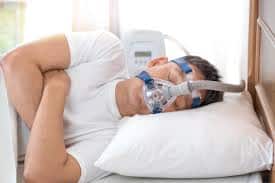
People who struggle with sleep apnea often ask a very practical question: Will losing weight actually help my condition, or is it just another general health recommendation?
The short answer is — for many people, yes, weight loss can reduce sleep apnea symptoms, sometimes quite noticeably. But the full story is a bit more nuanced.
Sleep apnea, especially obstructive sleep apnea, is closely linked to body weight. Doctors and sleep specialists have observed this connection for decades, and modern research continues to confirm it.
Understanding the Link Between Body Weight and Sleep Apnea
Obstructive sleep apnea happens when the airway repeatedly collapses during sleep. In people who carry excess weight, fat deposits around the neck, tongue, and upper airway can make this collapse more likely.
Extra weight around the abdomen also affects breathing mechanics. When lying down, pressure on the lungs increases, making it harder to keep the airway open throughout the night. This is why many people notice louder snoring, choking sensations, or frequent awakenings as their weight increases.
This doesn’t mean only overweight people develop sleep apnea — but higher body weight often worsens apnea severity.
Can Weight Loss Reduce Sleep Apnea Symptoms? What Research Indicates
Multiple long-term studies show a clear pattern: when people lose weight, their sleep apnea symptoms often improve. In some cases, the number of breathing interruptions per hour drops significantly.
Researchers have found that even modest weight loss — around 5–10% of body weight — can lead to measurable improvements in apnea-hypopnea index (AHI), daytime sleepiness, and overall sleep quality.
That said, results vary. Some people experience dramatic improvement, while others notice smaller changes. The key takeaway from the data is consistent:
weight loss reduces strain on the airway, which can reduce the frequency and severity of breathing interruptions during sleep.
Why Weight Loss Helps Improve Obstructive Sleep Apnea
Reduced Airway Pressure and Collapse
As body fat decreases, especially around the neck, the airway becomes less compressed. This makes it easier for airflow to continue uninterrupted while sleeping.
Better Breathing Efficiency
Weight loss often improves lung volume and oxygen exchange. Breathing becomes less labored, which helps stabilize nighttime respiration.
Lower Inflammation Levels
Excess body fat contributes to chronic inflammation, which can worsen airway swelling. Reducing weight may help calm this inflammatory response.
Together, these changes explain why many patients report fewer symptoms once they begin losing weight consistently.
Weight Loss as Part of a Sleep Apnea Treatment Plan
It’s important to be realistic. Weight loss is not an instant cure for sleep apnea, especially for moderate to severe cases. CPAP therapy remains the most effective treatment for keeping the airway open every night.
However, weight loss can:
- Reduce required CPAP pressure
- Improve mask comfort
- Enhance overall treatment success
- In some mild cases, significantly reduce symptoms
Many sleep specialists recommend combining CPAP therapy with lifestyle changes instead of choosing one over the other.
Healthy Ways to Lose Weight That Support Better Sleep
Balanced, Sustainable Eating
Crash diets rarely help sleep apnea long term. Gradual, steady weight loss through balanced meals is more effective and easier to maintain.
Regular Physical Activity
Exercise improves breathing strength, metabolism, and sleep quality — even before major weight loss occurs.
Limiting Alcohol and Late-Night Eating
Alcohol relaxes throat muscles and can worsen airway collapse. Reducing intake often improves apnea symptoms regardless of weight.
What to Know Before Relying on Weight Loss Alone
Some people assume that once they lose weight, they can stop using CPAP immediately. This can be risky. Sleep apnea should always be monitored by a healthcare provider.
A follow-up sleep study is the safest way to determine whether weight loss has reduced apnea enough to change treatment.
Final Thoughts: Is Weight Loss Worth It for Sleep Apnea?
So, can weight loss reduce sleep apnea symptoms?
For many people, the answer is clearly yes — especially when excess weight is a contributing factor.
While weight loss may not replace CPAP for everyone, it often leads to:
- Fewer breathing interruptions
- Better sleep quality
- Improved daytime energy
- Better long-term health outcomes
When combined with proper medical care, weight management can be one of the most powerful tools for improving life with sleep apnea.