

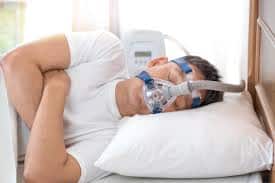
How to pick the right pillow 2026 for CPAP users requires a strategic focus on mask-to-pillow clearance, cervical spine alignment, and specialized pressure-relief zones designed to prevent air leaks. According to recent sleep health data, over 35% of CPAP therapy non-compliance stems from physical discomfort. Specifically, traditional pillows often push against the mask, breaking the seal. Consequently, for patients using Continuous Positive Airway Pressure CPAP machines to treat obstructive sleep apnea, the right pillow is no longer a luxury—it is a medical necessity for effective treatment.
5 Critical Factors for Picking the Best CPAP Pillow in 2026
To begin with, finding a pillow that supports your therapy requires evaluating the specific geometry of your mask. In addition to mask shape, you must consider your primary sleeping position. While older models used generic foam, the industry in 2026 has shifted toward high-density, modular designs.
Mask Cut-Outs: Essentially, these are vital for side sleepers to prevent the pillow from shifting the mask.
Adjustable Loft: Furthermore, this ensures your neck stays in a neutral position regardless of mattress firmness.
Hose Tethering: Moreover, integrated loops keep the CPAP tube from pulling on the mask during movement.
Cooling Technology: For instance, phase-change materials (PCM) regulate temperature, which is helpful since masks trap heat.
Material Density: Similarly, charcoal-infused latex provides necessary “push-back” without bottoming out.
What are the Best CPAP Pillows for Side Sleepers?
Notably, side sleepers face the highest risk of mask displacement and “mask drag.” When choosing a CPAP pillow for side sleeping, you should look for deep crescent-shaped cut-outs. Because these “no-pressure” zones allow the mask to hang over the edge, the seal remains intact even if you move.
Recent clinical reviews suggest that contoured memory foam pillows reduce “mask leak events” by up to 22%. However, if you use a full-face mask, you must ensure the cut-outs are wide enough to accommodate the bulkier frame. Otherwise, the pillow will still interfere with the mask seal.
How Does Pillow Height Affect CPAP Mask Leaks?
Crucially, pillow height—or “loft”—is the most overlooked variable in sleep apnea therapy. If your pillow is too high, it forces the chin toward the chest. As a result, this potentially narrows the airway and requires higher pressure settings. Conversely, if it is too low, the neck lacks support, leading to morning stiffness.
In short, the ideal height should maintain a straight line from the ear to the shoulder. To address this, most modern CPAP pillows now feature removable inner layers. Therefore, you can customize the height in 1-inch increments until it feels perfect.
Selecting a Pillow Based on Your CPAP Mask Type
Since different masks exert pressure on different parts of the face, they necessitate specific pillow shapes. Below, we break down the requirements for each type.
Nasal Pillows and Small Masks
Generally, users of minimalist nasal pillow masks have more flexibility. For example, a traditional rectangular pillow with a soft fill often works well. This is because there is less mask surface area to interfere with the pillow.
Full-Face CPAP Masks
On the other hand, full-face masks cover both the nose and mouth. Consequently, they are highly susceptible to leaks when pressed against a flat surface. For these users, a dual-sided contoured pillow is recommended. While one side offers firm neck support, the other features the necessary “divots” for the mask.
Why Cooling Features Matter for Sleep Apnea Patients
Furthermore, CPAP therapy can often feel “stuffy” due to pressurized air. In response to this, the best pillows in 2026 incorporate ventilated foam cores. By using copper-infused covers, these pillows dissipate heat 30% faster than polyester. Ultimately, this reduces sweat-induced mask slippage and skin irritation.
Comparison: Traditional Pillows vs. Specialized CPAP Pillows
| Feature | Traditional Pillow | 2026 Specialized CPAP Pillow |
| Mask Compatibility | Poor (causes leaks) | High (mask cut-outs) |
| Neck Support | Variable | Ergonomic Cervical Support |
| Hose Management | None | Integrated Tether/Loops |
| Longevity | 6–12 months | 18–24 months (High-density) |
Expert Tips for Maintaining Your CPAP Pillow
To ensure your pillow remains a supportive part of your therapy, follow these three maintenance rules. First, use a CPAP-specific pillowcase, as standard cases can bridge the cut-outs. Second, perform weekly sanitization with a damp cloth. Finally, rotate the pillow monthly to prevent permanent indentations.
Frequently Asked Questions (FAQ)
Can I use a regular pillow with my CPAP?
While it is possible, a regular pillow often pushes the mask out of place. Consequently, this leads to “dry eye” and reduced therapy effectiveness. Therefore, a specialized pillow is highly recommended.
How often should a CPAP users replace their pillow?
For hygiene and structural support, experts recommend a replacement every 18 to 24 months. Over time, foam loses its ability to hold weight, thereby leading to poor spinal alignment.
Do CPAP pillows help with neck pain?
Yes, absolutely. Most CPAP pillows are designed with a “cervical roll.” By supporting the natural curve of the neck, they significantly reduce morning headaches.