

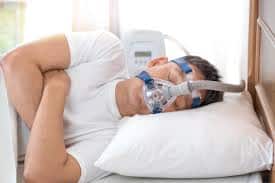
Learning the Science Behind CPAP may seem technical at first, but it’s really about understanding what happens to your airway while you sleep — and why gentle air pressure makes such a big difference. Millions of people use CPAP to manage sleep apnea, yet many never fully grasp how it works. This guide breaks it down in plain language, explaining what goes wrong during sleep apnea and why continuous air pressure solves it.
What Sleep Apnea Is and Why Breathing Stops During Sleep
How the Airway Collapses in Sleep Apnea
In obstructive sleep apnea, muscles at the back of the throat relax too much as you drift into sleep. This allows your upper airway to narrow or collapse completely. When this happens, airflow pauses and your body briefly wakes up just to take a breath. These tiny wakings happen so fast you might not remember them, but they interrupt your sleep cycle hundreds of times each night.
The result? Poor sleep, morning fatigue, headaches, and a host of health issues like high blood pressure and heart strain.
The Science Behind CPAP: What Continuous Air Pressure Actually Does
How Air Pressure Keeps the Airway Open
The Science Behind CPAP is really the science of air pressure. CPAP stands for Continuous Positive Airway Pressure. That means the machine delivers a steady stream of air at one set pressure level through a tube and mask. This continuous flow acts like a splint, propping your airway open so it doesn’t collapse.
Imagine blowing gently into a soft straw — with no air, it bends and closes; with air, it stays open. CPAP works in much the same way for your throat. By keeping the airway stable, the CPAP machine stops breathing interruptions and allows for smoother, calmer sleep.
Why CPAP Pressure Feels Gentle
Many people expect CPAP pressure to feel forceful or uncomfortable, but most users describe it as a steady breeze. The goal isn’t to force air into your lungs — it’s to support the airway just enough so that it doesn’t collapse. Modern machines can even adjust pressure levels automatically throughout the night based on your breathing patterns.
The CPAP Machine and Mask: Partners in Breathing Support
The Role of the CPAP Mask in Delivering Air Pressure
A CPAP machine can generate continuous air pressure, but the CPAP mask is what gets that pressure to your airway. Masks come in different shapes and sizes — nasal pillows, full-face masks, and nasal masks — each suited to different breathing styles and comfort levels.
Getting the right mask fit matters more than many people realize. A mask that leaks or shifts during sleep won’t deliver effective airway pressure, and then the science behind CPAP isn’t working as it should.
Why Mask Leaks Disrupt Breathing Support
Leaks happen when a mask doesn’t seal well against your face. This can let pressure escape before it reaches your airway. You might hear noise, feel drafts, or wake up with a dry mouth. Fixing mask leaks — whether by adjusting straps, changing mask types, or replacing worn cushions — ensures the pressure stays where it’s needed.
What Happens to Your Body When CPAP Works Properly
Oxygen Levels Stay Stable Overnight
With effective CPAP therapy, your airway stays open throughout the night. That means your oxygen levels don’t dip repeatedly, and your body doesn’t stress itself awake to restart breathing. Stabilizing breathing helps your body get deeper, more restorative sleep.
Reduced Stress on Heart and Brain
Each breathing pause during sleep sends a stress signal to your nervous system. Over time, this stress can contribute to high blood pressure, irregular heartbeats, and other cardiovascular strain. By preventing airway collapse, continuous pressure supports not only better sleep but also long-term health.
Common CPAP Challenges and Real Solutions
Dry Nose, Throat, or Sinuses
Continuous air moving through your nasal passages can cause dryness — a common complaint in new users. Many CPAP machines now come with humidifiers, which add moisture to the air and make therapy more comfortable.
Feeling Pressure Too Strong
Pressure that feels strong typically means your body is still adjusting. Many machines let you control “ramp settings,” where the pressure starts low and increases slowly as you fall asleep. This gentle shift honors how your body naturally drifts into deeper sleep stages.
Mask Issues and Comfort Adjustments
Sometimes it’s not the pressure, but the mask that causes irritation. Slight adjustments to straps or trying a different mask style can greatly improve comfort and mask seal, ensuring continuous airway pressure throughout the night.
Why Understanding the Science Behind CPAP Helps You Stick With It
Knowing how CPAP works — and why it matters — makes it easier to be patient with early challenges. CPAP doesn’t just mask symptoms; it prevents airway collapse, restoring breath-by-breath stability that promotes better sleep and long-term health.
Success with CPAP often comes down to getting past the first few nights and learning how to tailor your machine’s settings to your body. With the right mask, well-fitted seal, and understanding of its science, CPAP becomes less equipment and more an unseen partner in your nightly rest.
Final Thoughts: Air Pressure, Sleep Quality, and Daily Well-Being
The Science Behind CPAP shows that sleep apnea isn’t just about snoring — it’s about airway mechanics, breathing stability, and how your body responds to interrupted sleep. CPAP therapy works by replacing the unstable airway environment of sleep apnea with consistent, continuous pressure that keeps you breathing smoothly.
For many people, this simple science leads to profound changes — less daytime fatigue, more mental clarity, better health markers, and real improvements in quality of life. CPAP may look like a machine and mask, but what it offers is peace for your airway and breath-by-breath support night after night.