
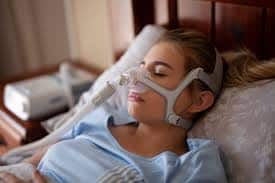
If you use a CPAP machine, you might know how life-changing it can be for sleep apnea—but it can also come with some frustrating side effects. One of the most common complaints is dryness in the nose, mouth, or throat. Waking up with a dry throat, irritated nasal passages, or even a nosebleed can make CPAP therapy feel uncomfortable and tempting to skip. The good news is that there are practical ways to tackle CPAP dryness so you can stick with your therapy and sleep better.
Why CPAP Dryness Happens
CPAP therapy works by blowing pressurized air into your airways to keep them open while you sleep. While this keeps your breathing steady, it can also dry out the delicate tissues inside your nose and throat.
Here are the main reasons you might be experiencing dryness:
- Low humidity settings: If your CPAP humidifier is set too low, the air can dry out your nasal passages.
- Mouth breathing: Many people naturally breathe through their mouths at night, especially with a nasal mask. This can quickly cause a dry throat.
- Mask leaks: If air escapes around your mask, it can blow directly into your nose or mouth, making dryness worse.
- Environmental factors: Dry bedroom air, particularly during winter, can amplify the problem.
Understanding why dryness occurs helps you take the right steps to prevent it.
Simple Adjustments with Your CPAP Humidifier
Humidifiers in CPAP machines are designed to prevent dryness, but they need to be set correctly. A few small tweaks can make a big difference.
- Increase humidity gradually: Start on a medium setting and adjust until your nose feels comfortable. Too much humidity can cause condensation, so experiment slowly.
- Use distilled water: Tap water can leave minerals in the machine, which may affect airflow and cause irritation.
- Try heated tubing: Warm air from a heated tube keeps moisture from condensing and reduces dryness.
Many people find that just adjusting their humidifier settings is enough to make CPAP use far more comfortable.
Fixing Mouth Dryness
Mouth dryness is extremely common, especially for people using nasal masks. Breathing through your mouth can also reduce the effectiveness of your therapy.
Here’s what can help:
- Chin strap: A soft strap can keep your mouth closed while you sleep, improving pressure and preventing dryness.
- Switch to a full-face mask: These masks cover both your nose and mouth, delivering air evenly and reducing dry throat symptoms.
- Hydrate before bed: Drinking a glass of water before sleep helps keep your throat moist.
If dryness continues despite these changes, it might be worth consulting your sleep specialist about different mask types or pressure adjustments.
Relieving Nasal Dryness and Irritation
Nasal dryness can be uncomfortable, leading to congestion, itching, or even bleeding. A few easy remedies can help:
- Saline sprays or gels: These keep your nasal passages moist and are safe to use with CPAP.
- Allergy management: Dust, pet dander, and pollen can worsen dryness. Use air purifiers or wash bedding regularly.
- Keep your bedroom humid: Adding a small room humidifier can complement your CPAP’s humidifier.
By addressing nasal dryness, you can prevent more serious discomfort and make your therapy easier to stick with.
Maintaining Your CPAP Equipment
Sometimes dryness isn’t just about your body—it’s about your machine. Regular maintenance prevents airflow issues that can worsen dryness:
- Clean your mask daily: Oils and dirt can affect airflow and irritate nasal passages.
- Replace filters: A clogged filter reduces air quality, which can dry out your nose and throat.
- Check for leaks: Even a small gap in your mask can blow air into your nose or mouth and cause dryness.
Taking care of your equipment ensures that CPAP therapy remains effective and comfortable.
Lifestyle Tips to Reduce Dryness
Beyond your CPAP machine, some everyday habits can help:
- Stay hydrated throughout the day: Adequate water intake keeps mucous membranes moist.
- Adjust your bedroom temperature: Extreme heat or cold can dry the air and worsen symptoms.
- Elevate your head slightly: Sleeping on a slight incline can reduce mouth breathing and throat dryness.
These small changes often make a noticeable difference in comfort and sleep quality.
When to See a Doctor
If dryness persists despite your efforts, consult your doctor or sleep specialist. Seek help if you notice:
- Severe nasal or throat pain
- Frequent nosebleeds
- Trouble sticking with CPAP therapy
- Signs of infection or congestion
Professional advice ensures your CPAP therapy continues to be both safe and effective.
Conclusion
CPAP dryness is a common issue, but it doesn’t have to disrupt your sleep. Simple solutions—adjusting your humidifier, addressing mouth and nasal dryness, maintaining your equipment, and making small lifestyle changes—can make a huge difference. By taking these steps, you’ll find CPAP therapy more comfortable, helping you wake up refreshed, energized, and ready to face the day.