

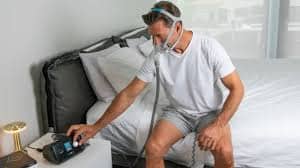
Why your CPAP pressure may need seasonal adjustments is something many users don’t realize until their therapy suddenly feels “off.” One season, your CPAP feels comfortable and effective. A few months later, you’re waking up dry, congested, or feeling more tired again — even though nothing seems to have changed.
In reality, your body, environment, and breathing patterns shift with the seasons. Temperature, humidity, allergies, and even sleeping position can all affect how much pressure your airway needs to stay open. Understanding these changes can help you stay comfortable and keep CPAP therapy working as intended year-round.
How Seasonal Changes Affect Your Breathing at Night
Your airway doesn’t behave the same way all year long. Weather and environmental conditions play a bigger role in sleep breathing than most people expect.
During colder months, dry air and indoor heating can irritate nasal passages, leading to congestion and resistance. In warmer seasons, humidity, allergens, and sinus swelling may increase airway obstruction. These changes can affect how much pressure is needed to prevent apneas.
Why CPAP Pressure That Worked Before May Feel Wrong Later
When CPAP Pressure Feels Too Strong or Too Weak
A CPAP pressure setting that felt perfect in spring might feel uncomfortable in winter or summer. Some users report:
- Feeling “air blasted” during colder months
- Increased dryness despite humidification
- Waking up feeling short of breath
- A rise in apnea events shown in CPAP data
These signs don’t necessarily mean CPAP therapy is failing. They often indicate that pressure needs fine-tuning.
Seasonal Allergies and CPAP Pressure Needs
How Allergies Can Increase Airway Resistance
Spring and fall allergies can cause nasal swelling, congestion, and inflammation. When nasal passages narrow, airflow meets more resistance, which can lead to incomplete airway support at lower pressure levels.
This is one reason some users notice:
- Higher AHI during allergy seasons
- Increased mouth breathing
- More frequent mask leaks
Pressure adjustments — along with allergy management — can help restore effective therapy.
Cold Weather, Dry Air, and CPAP Pressure Comfort
Winter Conditions and CPAP Therapy
Cold air holds less moisture. Indoor heating further dries the air, which can irritate the airway and increase sensitivity to pressure.
In winter, users may notice:
- Pressure feels harsher
- Dry throat or nasal passages
- More awakenings during the night
Sometimes the issue isn’t the pressure number itself, but how the airway responds to dry air. Pressure combined with proper humidification often works better than pressure alone.
Summer Humidity and CPAP Pressure Changes
Why Warm, Humid Air Can Feel Different
Higher humidity can make breathing feel heavier for some people. Swollen nasal tissues and increased mucus production may slightly change airway behavior.
This can lead to:
- Pressure feeling less effective
- Increased snoring reported by bed partners
- Subtle increases in apnea events
Seasonal adjustment doesn’t always mean increasing pressure — sometimes it means refining comfort settings or addressing mask fit.
Weight, Sleep Position, and Seasonal Habits
Seasonal lifestyle changes can also affect CPAP pressure needs. Less activity in winter, holiday eating, or changes in sleep position can influence airway collapse.
Sleeping more on your back or experiencing slight weight fluctuations may require pressure reassessment — even if changes seem minor.
Auto CPAP vs Fixed CPAP and Seasonal Adjustments
How Auto-Adjusting CPAP Responds to Seasonal Changes
Auto CPAP machines are designed to adapt to nightly variations, including those caused by seasons. They adjust pressure based on breathing patterns and airway resistance.
However, even auto CPAP devices have limits. Minimum and maximum pressure ranges may still need seasonal review to ensure the machine has enough flexibility to respond.
Signs Your CPAP Pressure May Need Seasonal Review
You may want to review settings if you notice:
- Increased AHI trends
- More mask leaks than usual
- Reduced comfort or tolerance
- Daytime sleepiness returning
These signs are easier to spot when you occasionally review CPAP data rather than ignoring it entirely.
Why You Shouldn’t Adjust CPAP Pressure on Your Own
It’s tempting to change pressure settings when discomfort appears, but unsupervised adjustments can reduce therapy effectiveness or create new problems.
A sleep professional can:
- Review CPAP data trends
- Consider seasonal factors
- Adjust pressure safely and appropriately
Small changes often make a big difference when done correctly.
Final Thoughts on Why Your CPAP Pressure May Need Seasonal Adjustments
Why your CPAP pressure may need seasonal adjustments comes down to one simple truth: your body and environment aren’t static. As seasons change, so do breathing patterns, airway resistance, and comfort needs.
Staying aware of these shifts — and responding with informed adjustments — helps keep CPAP therapy effective, comfortable, and sustainable throughout the year. When therapy feels right, consistency follows, and better sleep becomes easier to maintain.