
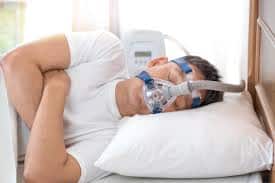
Allergy season shouldn’t mean choosing between a clear nose and your sleep apnea therapy. If you’ve ever woken up feeling like you’re breathing through a straw because of pollen or pet dander, you’re not alone.
At BleepSleep, we believe CPAP therapy should be a solution, not a struggle. By optimizing your setup and using the right “hacks,” your CPAP can actually become a high-tech air purifier for your lungs.
The 10-Second Summary: How to Breathe Clearer Tonight
Upgrade to Hypoallergenic Filters: Standard filters don’t catch microscopic pollen.
Adjust Humidity: Increase moisture to soothe inflamed nasal passages.
Pre-Clear with Saline: Use a rinse 15 minutes before masking up.
The Bleep Advantage: Use a headgear-free solution like DreamPort to reduce skin-pollen contact and mask leaks caused by congestion.
1. Use Hypoallergenic Filters (The “Double Guard” Hack)
Standard CPAP filters are designed to keep dust out of your machine’s motor. However, they aren’t fine enough to stop allergens like ragweed or mold spores.
The Hack: Switch to a hypoallergenic (ultra-fine) filter. These are electrostatically charged to trap microscopic particles.
Pro-Tip: During peak allergy weeks, replace these every 2 weeks instead of monthly.
2. Master the Humidity “Sweet Spot”
Allergies cause the lining of your nose to swell (inflammation). Dry air makes this worse.
The Hack: Increase your CPAP humidity settings by one or two levels. This thins out mucus and keeps your nasal passages from drying out.
Avoid “Rainout”: If you see water droplets in your tube, use a heated hose or a fabric hose cover to keep the air warm and the moisture consistent.
3. The “Pre-Mask” Nasal Flush
Don’t put your mask on over a nose that’s already full of allergens.
The Hack: Use a nasal saline spray or a Neti pot 15–30 minutes before bed. This flushes out the “sticky” pollen trapped in your nose during the day, making it easier for the CPAP pressure to do its job.
4. Switch to a Headgear-Free Interface
Traditional CPAP masks use bulky headgear and silicone cushions that can trap oils and allergens against your skin, leading to “CPAP rash” during allergy season.
The Bleep Solution: The DreamPort Sleep Solution is a game-changer for allergy sufferers. Because it uses hypoallergenic adhesive seals instead of straps, there is no bulky gear to trap dust or irritate your face. It also offers a perfect seal at the base of the nose, which is critical when you’re already struggling with congestion-related leaks.
5. Elevate Your Machine (Literally)
Gravity is your friend when it comes to sinus drainage.
The Hack: Use a CPAP-specific pillow or a bed wedge to keep your head slightly elevated. This reduces nasal congestion.
Positioning: Ensure your CPAP machine is placed lower than your head on the nightstand. This prevents condensation (rainout) from running down the tube and into your mask.
6. The “HEPA Buffer” Zone
Your CPAP pulls air from the room. If your bedroom is dusty, your machine is working overtime.
The Hack: Place a HEPA air purifier right next to your CPAP machine‘s intake vent. This ensures the air the machine “breathes” is already 99% filtered before it even hits your CPAP filter.
7. Adjust Your “Ramp” Settings
If you feel like you aren’t getting enough air because of a stuffy nose, the “Ramp” feature might actually be working against you.
The Hack: Turn the Ramp feature off or shorten the time. Starting at the full prescribed pressure can help “power through” mild congestion and keep the airway open from the moment you turn the machine on.
How often should I clean my CPAP during allergy season? You should perform a daily wipe-down of your mask interface. Allergens are sticky; they cling to silicone. Using a fresh adhesive seal every night, like with the Bleep DreamPort, is the most hygienic way to avoid re-introducing allergens to your nose.
Will an antihistamine help my CPAP therapy? Over-the-counter antihistamines can reduce swelling, but they can also cause extreme dryness. If you use allergy meds, it is vital to increase your CPAP humidification to compensate for the “drying out” effect of the medication.
Final Thought: Don’t Quit Therapy During Allergy Season
The “cycle of exhaustion” happens when allergy inflammation meets untreated sleep apnea. It might be tempting to take the mask off when you’re congested, but that’s when your body needs oxygen the most.