

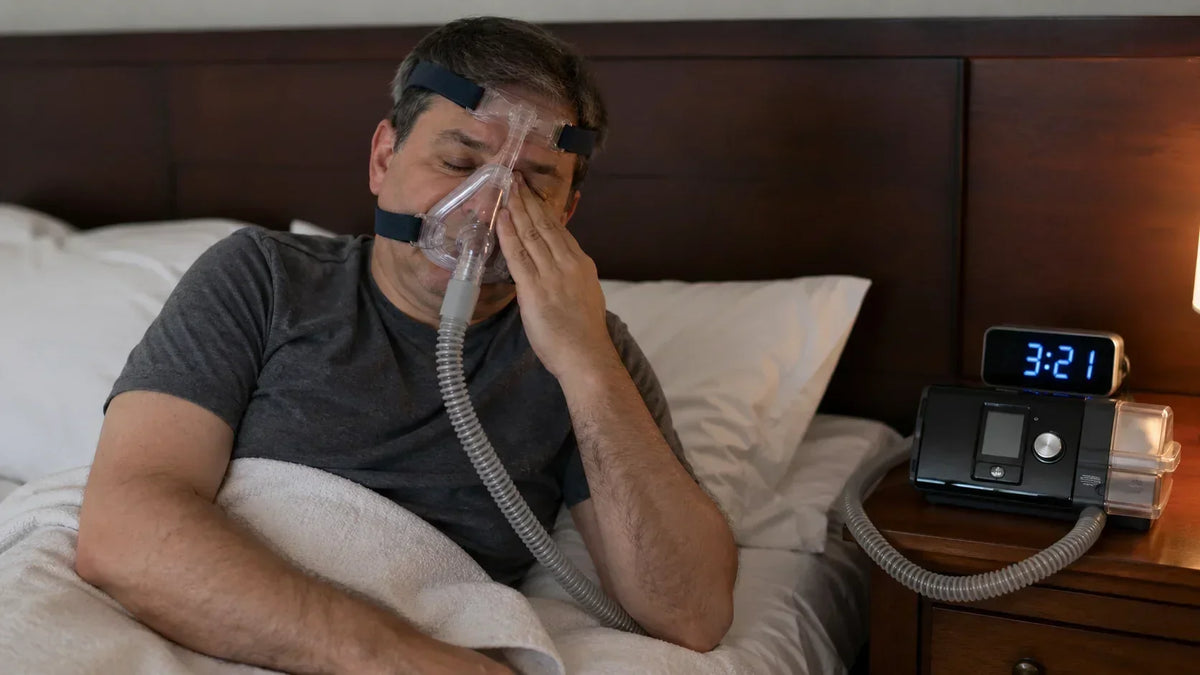
How to keep your CPAP hose clean is a chore that most of us dread, but if you’ve ever woken up to a blast of musty air, you know exactly why it’s non-negotiable. When you’re breathing through a plastic tube for eight hours a night, that moisture creates a perfect petri dish for bacteria and “pink slime” (Serratia marcescens). Keeping your CPAP hose pipe spotless isn’t just about avoiding a bad smell; it’s about protecting your lungs from infections and ensuring your machine actually does its job.
Why Does My CPAP Hose Smell? (The “Funk” Factor)
If you’re noticing a vinegar-like scent or a chemical “new plastic” odor, you aren’t alone. Most odors in a CPAP and BiPAP standard breathing tube come from three places:
- Mildew: Leftover condensation (rainout) that didn’t dry out.
- Skin Oils: Essential oils or facial creams that migrate from your mask into the tube.
- Mineral Buildup: Using tap water instead of distilled water, which leaves a “crust” that trapped bacteria can latch onto.
The “No-Nonsense” Cleaning Routine (Weekly)
You don’t need a $300 “sanitizing” light box. In fact, most manufacturers (and the FDA) warn that those can actually break down the medical-grade plastic in your CPAP tubing hose pipe. All you really need is a sink and five minutes.
1. The Soapy Soak
Fill your bathroom sink with warm—not boiling—water. Use a mild, clear dish soap (like original Dawn). Avoid anything with heavy perfumes or “moisturizers,” as these leave a film inside the tube that attracts more dust.
- Action: Submerge the hose and “milk” the water through the tube to make sure there are no air bubbles.
2. The Scrub (Optional but Recommended)
If you haven’t cleaned your gear in a month, a CPAP tube brush is a lifesaver. It’s a long, flexible wire with soft bristles that physically scrubs the internal ridges of the hose where a simple soak won’t reach.
3. The Proper Rinse
Rinse with high-pressure lukewarm water until you can no longer smell the soap. If you have a heated tubing setup, be careful not to submerge the electrical connectors—just wipe those ends down with a damp cloth.
4. The “Drip Dry” Hack
This is where most people fail. If you coil the hose up, it will never dry. Hang it over a door, a shower rod, or a specialized CPAP hose hanger. Both ends must point down so gravity can pull the moisture out.
Pro Tip: If you’re in a rush, reconnect the hose to your machine (without the mask) and run the “Mask Fit” setting for a few minutes to blow out the remaining droplets.
Keeping It Odor-Free Every Single Day
If you want to spend less time scrubbing, follow these “lazy” hygiene habits:
- Daily Air-Out: Every morning, disconnect the hose from the mask and the machine. This lets air flow naturally through the tube.
- The Humidifier Rule: Never leave water sitting in your tank during the day. Dump it, rinse it, and let it air dry.
- Distilled Only: Use distilled water. It prevents that “rotten egg” smell caused by sulfur or minerals found in city tap water.
When to Stop Cleaning and Just Replace It
No matter how well you scrub, plastic eventually breaks down. A CPAP tubing hose pipe develops microscopic scratches over time that “hide” bacteria from your soap.
- The 3-Month Rule: Most insurance providers (and medical experts) suggest a fresh hose every 90 days.
- The “Stretch Test”: If the rubber ends feel loose or “gummy,” or if you see any yellowing of the plastic, it’s time to bin it. A leaky hose leads to “pressure drop,” meaning you aren’t getting the full therapy you need to stay awake the next day.
Common Questions
Can I use vinegar to clean my CPAP hose?
Yes, a 1:3 ratio of white vinegar to water is great for killing mold, but it can leave a lingering scent. If you use vinegar, follow up with a soapy wash to neutralize the smell.
What is the best soap for CPAP supplies?
Look for “free and clear” soaps. Avoid antibacterial soaps containing Triclosan, as they can be too harsh for the silicone components of your mask and hose.
Does a dirty hose cause “CPAP cough”?
Frequently, yes. If you’re inhaling mold spores or high concentrations of dust from a dirty standard breathing tube, it can irritate your airway and cause a persistent morning cough.
Final Word on Sleep Health
Your CPAP is an investment in your longevity. Keeping your CPAP hose clean is the easiest way to ensure that investment pays off. It takes less time than brushing your teeth, and the reward is waking up feeling refreshed instead of congested.
Frequently Asked Questions
Can I use vinegar to clean my CPAP hose?
Yes, a 1:3 vinegar-to-water ratio kills mold; follow with a soapy wash to remove the smell. Let the mixture sit in the hose for about 15 minutes before rinsing so it has time to break down mildew. Avoid using vinegar more than once a week, since frequent acid exposure can wear down the tubing faster.
How often should I replace my CPAP hose?
Every 90 days, or sooner if it feels gummy or shows yellowing. Most insurance plans, including Medicare, already budget for a quarterly replacement, so check your supply schedule before buying out of pocket. A cracked or brittle hose causes pressure loss, which means your therapy isn't delivering the prescribed treatment even if the machine display looks normal.
Does a dirty hose cause a CPAP cough?
Yes, mold spores and dust in a dirty tube can irritate the airway and trigger a morning cough. This is especially common if you use tap water in the humidifier, since mineral deposits give bacteria more surface area to grow on. If the cough persists after a full cleaning, it's worth having your equipment inspected for any hidden mildew in the humidifier chamber too.
Can I skip cleaning if I use a heated hose?
No, heated tubing still needs a weekly soapy wash; heat alone doesn't remove skin oils or mineral buildup. Heated hoses actually trap more condensation-related residue because the internal heating wire creates a warm, moist environment that bacteria like. Skipping cleaning on a heated hose also risks damaging the internal wiring if soap and mineral crust build up around the connector.


