

If you use CPAP and are planning Botox or dermal fillers, discuss your mask before the appointment. The practical question is where it touches your face and whether that contact conflicts with your injector’s aftercare instructions. A general waiting period from the internet cannot answer that for your treatment.
Do not skip prescribed CPAP or change its settings on your own to protect a cosmetic result. Ask your injector and sleep clinician to agree on a plan before treatment, especially if your usual mask rests over the proposed injection sites. [1]
Botox and fillers need different conversations
Botox is a brand of botulinum toxin. Cosmetic treatment temporarily relaxes selected muscles. The American Academy of Dermatology advises patients not to rub or massage treated areas afterward. That advice supports discussing mask contact; it does not establish that every CPAP mask will affect Botox results. [2]
Dermal fillers add volume in specific areas. The FDA explains that their effects and risks depend on the material and treatment site. Swelling, tenderness and bruising can occur, and aftercare should follow the labeling and instructions for the particular product. [3]
There is no single mask recommendation or waiting interval that covers every injection, every mask and every patient. Tell your clinician exactly what treatment you are considering, rather than asking only whether “CPAP after Botox” is safe.
What can we say about mask pressure and cosmetic results?
A mask or strap pressing on a tender area is a practical problem worth addressing. It is different from claiming that nightly headgear routinely breaks down filler, causes filler migration or shortens Botox results.
The general aftercare sources linked here do not establish those CPAP-specific claims. Nor do they establish that a particular headgear-free interface protects an injectable treatment’s results. Those promises should not be the basis for choosing a device.
Instead, bring your own mask or clear photos of it to the consultation. Show where the cushion, straps and any chin support touch when you are lying down, not just when you are sitting upright. Ask the injector which of those contact areas matter for the planned treatment.
Plan for the first night before the appointment
A short discussion beforehand can prevent conflicting instructions at bedtime. Ask your injector and sleep clinician:
- Does my current mask touch the areas you plan to treat?
- What contact, pressure or rubbing restrictions apply to this specific procedure?
- Can I continue with my usual interface, or should my sleep clinician assess another option?
- If my mask becomes uncomfortable afterward, whom should I contact that evening?
- Would it be better to postpone the elective cosmetic procedure until a workable CPAP plan is in place?
Write down the agreed plan. An instruction to avoid pressure is not, by itself, permission to stop treating sleep apnea. NHLBI describes CPAP as treatment used whenever you sleep and recommends working with your provider on mask comfort and settings. [1]
If you already had injections and are unsure what to do tonight, contact the treating clinician and your sleep team promptly. Do not rely on a product page to resolve a conflict between their instructions.
Would a headgear-free interface help?
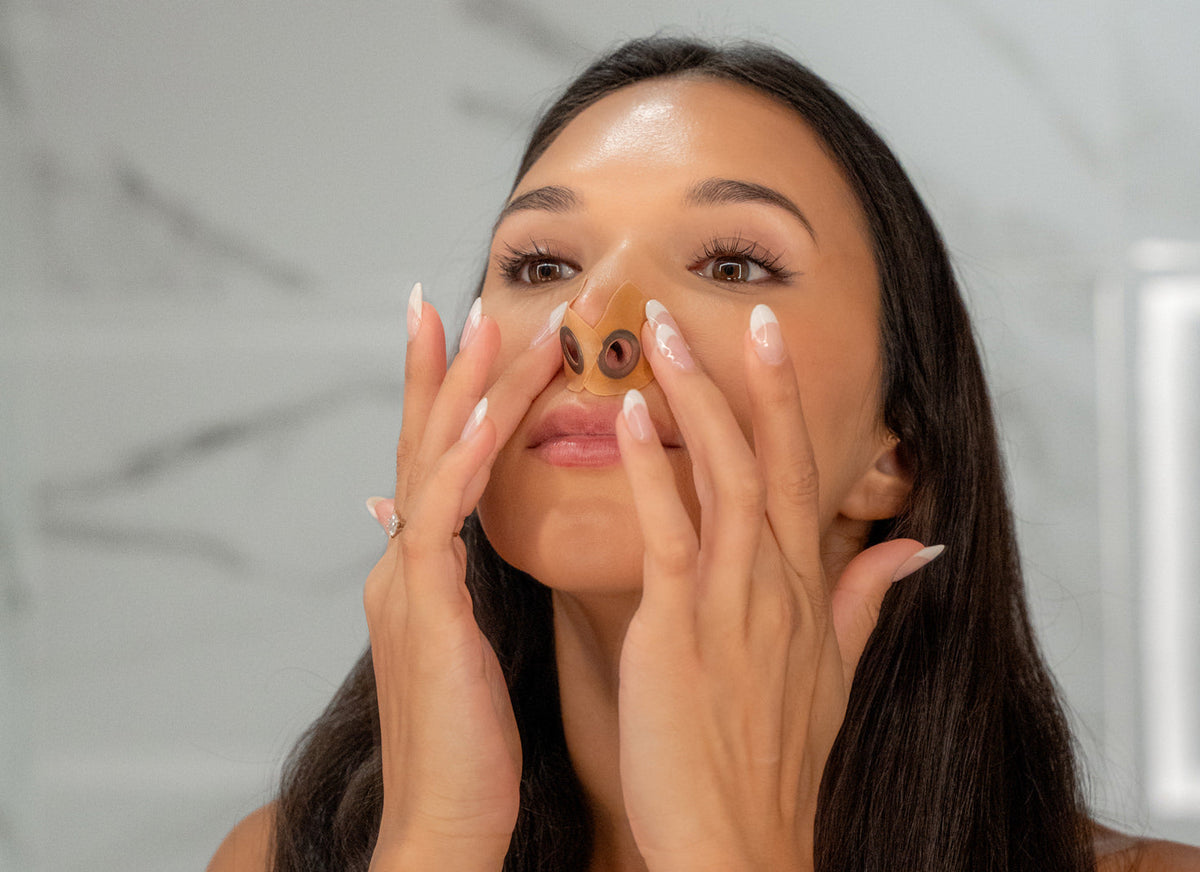
A different contact pattern may be worth discussing if straps cross a treated area. Bleep’s Eclipse uses a connector and adhesive Halos at the nostrils instead of headgear straps. That changes where the interface attaches; it does not mean there is no skin contact or that it is suitable after every facial procedure. [4]
Adhesive contact, skin condition, nasal breathing, mouth leak and the clinician’s treatment plan still matter. The Eclipse system also uses magnets. Review its current warnings with your clinician, particularly if you or a nearby person has an implanted device that may be affected. [4]
Do not assume a new interface will preserve filler, eliminate every leak or allow you to ignore your injector’s advice. If a change is appropriate, arrange the fitting and learn the instructions before you need it. Your sleep clinician or equipment provider can check compatibility and assess whether therapy remains effective.
You can review the Eclipse product information and bring the details to that discussion.
Check comfort without improvising changes
If the mask feels different after treatment, note the location of discomfort and any leak alerts so you can describe them to your care team. Ask for help rather than tightening straps over a painful area, adding unapproved padding, covering vents or changing prescribed pressure.
A temporary facial mark alone cannot establish that filler has moved or that Botox has failed. Likewise, a mask that feels comfortable is not proof that every aftercare restriction has been met. If you have concerns about the cosmetic result, ask the clinician who performed the procedure.
Seek urgent help for concerning symptoms
After filler injections, unusual pain, changes in vision, or pale, gray or blue skin near an injection site need immediate medical attention, according to the FDA. Do not dismiss these symptoms as ordinary mask pressure. [3]
Frequently asked questions
Can I use CPAP the same night as Botox?
There is no universal answer for every treatment and interface. Agree on a plan with your injector and sleep clinician beforehand. Do not independently skip prescribed therapy or assume that a headgear-free option is automatically suitable.
Do CPAP straps make fillers dissolve faster?
The general sources cited in this article do not establish that routine CPAP strap use accelerates filler breakdown. Discuss actual mask contact and your specific procedure with your injector instead of treating that claim as proven.
How long should I wait before wearing my usual mask?
Ask for instructions specific to the injection product, site and mask contact points. A blanket number of hours or days could conflict with your sleep treatment. The plan should address both treatments together.
Is Eclipse a treatment for Botox or filler complications?
No. It is a PAP interface with a different attachment design. It is not a treatment for injection complications or a guarantee of cosmetic results. Ask your clinician whether its contact areas and safety instructions fit your circumstances.
The goal is a workable plan
Protecting sleep treatment and following cosmetic aftercare should be planned together. Start with the equipment you already use, show it to your injector, and involve your sleep clinician before making a change. Bleep can answer questions about its products; your healthcare professionals decide what is appropriate for your treatment.
This article provides general education and does not replace advice from your treating clinicians.


