

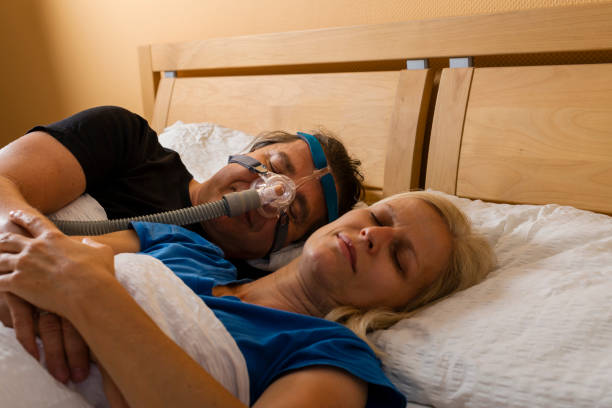
Your CPAP mask is a vital tool in treating sleep apnea, but it may also be doing things to your face overnight you never expected. Even when you’re breathing easier, subtle problems may be creeping in: pressure marks, skin irritation, swelling, or even long-term skin injury. Understanding these effects can help preserve your CPAP comfort and adherence.
Pressure Marks, Skin Indentations & Facial Sores
One of the most visible things your CPAP mask does is leave pressure marks or indentations along the bridge of your nose, cheeks, or forehead. In fact, facial pressure injuries associated with noninvasive ventilation masks may affect a notable percentage of users.
Because the mask must press against facial skin to seal, sustained pressure — friction + shear + moisture — can lead to skin breakdown or even pressure ulcers in severe cases.
In rare, extreme cases, skin necrosis (death of skin tissue) has been reported at the nasal bridge where masks press too tightly or continuously over long hours.
If your mask is leaving deep red grooves or sore spots by morning, this is more than just cosmetic — it’s a warning sign. Over time these injuries can worsen and make it painful or impossible to wear the mask.
CPAP Dermatitis, Rashes & Material Reactions
Beyond pure pressure, your mask can cause CPAP dermatitis — irritation, redness, itchiness, or rash where mask surfaces contact your skin.
Common triggers include friction from mask movement, exposure to moisture (sweat, condensation), or an allergic reaction to materials (like silicone or foam).
To mitigate this, many therapists recommend mask liners — soft fabric layers between skin and mask that reduce friction and cushion pressure points.
Cleaning your mask regularly is key — buildup of oils, sweat, or bacteria > can exacerbate skin irritation.

Bleep Eclipse™ Halos™
Skin-safe adhesive seal — no cushion pressing on your face, no marks by morning.
$18.99
Shop NowSwelling, Puffiness, and Facial Edema
A lesser-known effect is face swelling or puffiness, especially around the eyes, cheeks or nasal area. This can happen if the mask fits too tightly and restricts blood flow or traps fluid under pressure.
Also, leaks or misdirected airflow might push air into soft facial tissues, subtly inflating them overnight.
While occasional morning puffiness may dissipate, persistent swelling may indicate your mask is exerting too much pressure or misaligned.
Dry Eyes, Eye Irritation, & Air Leak Effects
When the mask doesn’t seal properly, air can escape toward your eyes. Morning symptoms like dryness, stinging, or tearing may be tied to mask leaks.
Beyond irritation, constant rogue airflow can disturb your tear film, leading to chronic eye discomfort if uncorrected.
Long-Term Skin Impact & Facial Changes
Over years, repeated pressure and forces from a CPAP mask may even alter the skin condition or facial contours in sensitive users. While the evidence is limited for structural changes, persistent pressure injuries or scarring may lead to permanent marks or textural changes.
How to Protect Your Face — Maintain CPAP Comfort
Recommended Product
Eclipse™ Headgear-Free CPAP Mask
No straps. No headgear. MagSeal™ adhesive technology locks in place without pressure marks — no more mask-related pressure issues. Covered by Medicare. No prescription required.
You don’t have to accept skin damage to use your CPAP mask. Here are steps (inspired by trusted CPAP guidance sources) you can take:
- Check mask fit regularly — A mask with the right seal avoids leaks and reduces need for over-tightening.
- Rotate mask styles or types — Sometimes switching from a full-face mask to nasal mask or pillows reduces contact area.
- Use mask liners or cushion pads — These soft buffers can reduce friction and absorb moisture.
- Inspect skin nightly — Look for emerging red spots, indentations, or raw areas.
- Clean mask daily — Wash cushion, frame and mask in mild cleanser to remove oils and irritants.
- Consult your provider — For persistent issues, your sleep specialist may adjust pressure, recommend a different mask, or suggest breaks.
In summary, while CPAP therapy is a powerful tool for treating sleep apnea, your mask can leave hidden marks — pressure injuries, dermatitis, swelling, eye irritation, or long-term skin changes — especially if misfitted or over-tightened. By staying alert, maintaining gear, and seeking alternatives when needed, you can preserve your CPAP comfort while still reaping the full benefits of therapy.
Frequently Asked Questions
Why does my CPAP mask leave red marks on my face every morning?
Red marks are caused by sustained pressure and friction where the mask cushion contacts your skin. A small amount of temporary redness is normal, but marks that take more than 30 minutes to fade or become sores indicate the mask is too tight or fitted incorrectly. The solution is usually adjusting the fit or switching to a lower-profile interface — not tightening the straps further.
Can a CPAP mask cause permanent skin damage?
Yes, in some cases. Repeated nightly pressure over months and years can cause scarring, textural changes, and permanent indentation at contact points — particularly on the nasal bridge, which has little cushioning over the bone. Catching and addressing pressure injuries early prevents them from becoming permanent.
What is CPAP dermatitis and how do I treat it?
CPAP dermatitis is a skin reaction — redness, itching, rash, or breakouts — caused by the friction, moisture, and materials in your mask. Treatment typically involves daily mask cleaning, using a mask liner between the cushion and your skin, and identifying any material sensitivity (some users react to silicone). If the rash is severe, a dermatologist can recommend appropriate topical treatments.
Why do I wake up with puffy eyes when I use CPAP?
Morning eye puffiness from CPAP usually has one of two causes: mask leaks directing air toward the eyes (which dries and irritates them), or a mask that fits too tightly and restricts fluid drainage around the face overnight. Address the leak location first — it's the most common cause.
How often should I clean my CPAP mask to avoid skin problems?
Every day. The cushion and frame should be washed with mild soap and warm water each morning. Oils, sweat, and bacteria accumulate on silicone surfaces overnight and press directly against your skin the following night. Weekly deep cleaning of all components (tubing, headgear, humidifier chamber) is also recommended.
Frequently Asked Questions
Can a CPAP mask damage your skin over time?
Yes. Nightly pressure from mask frames and headgear straps can cause breakdown of skin collagen, leading to permanent indentations, scarring, and discoloration in areas of repeated contact.
Why do I wake up with red marks from my CPAP mask?
Red marks form when the mask seal or headgear is too tight, or when the cushion material causes friction. Marks that fade within an hour are temporary, but persistent marks indicate a fit problem.
Can wearing a CPAP mask cause wrinkles?
Prolonged nightly compression of facial skin by mask edges and straps can contribute to sleep wrinkles and loss of elasticity over time, particularly around the nose, cheeks, and forehead.
What should I do if my CPAP mask is causing facial skin irritation?
Try adjusting the fit to reduce pressure, switch to a softer cushion material, add a mask liner for comfort, or switch to a headgear-free interface that avoids face and cheek contact entirely.
Does BleepSleep offer a solution that avoids facial compression?
Yes. The BleepSleep DreamPort and Eclipse with Halos attach only at the nostrils with no frame or strap pressing on the face, eliminating the compression that causes skin damage and facial marks.


