

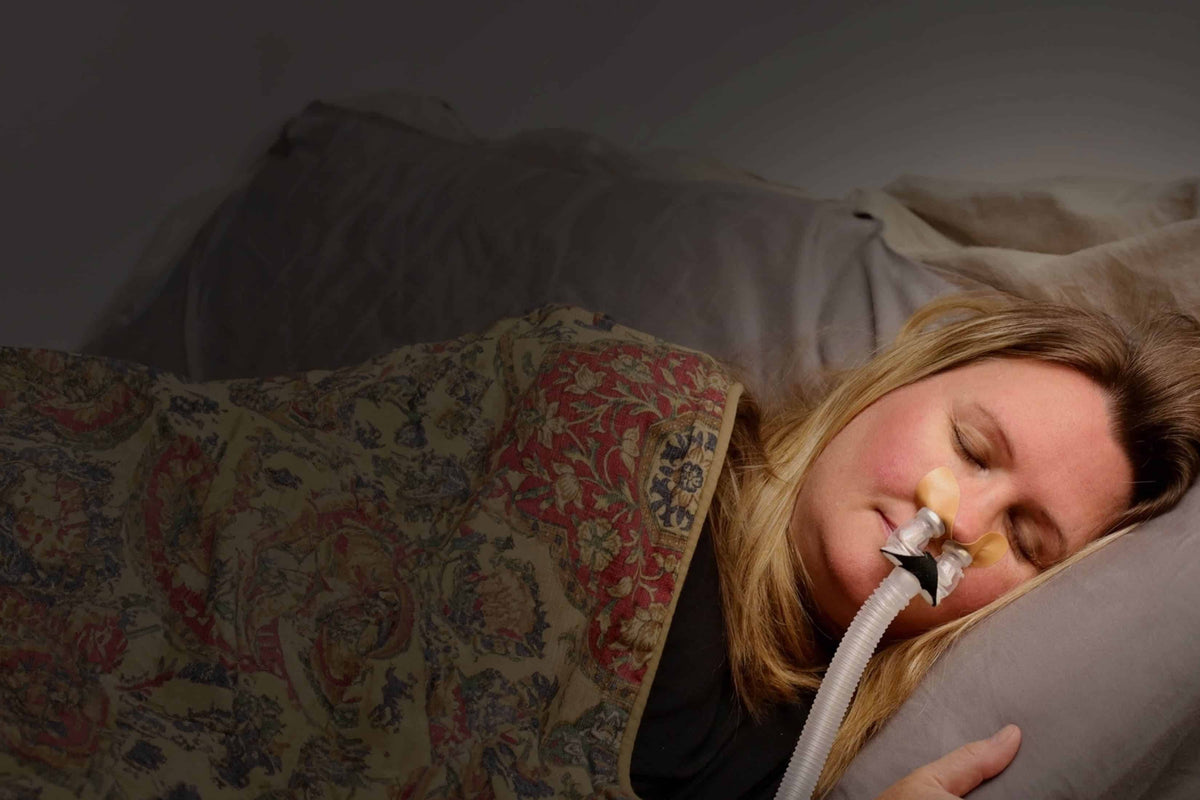
For many people living with sleep apnea, CPAP therapy is a lifeline. It restores normal breathing during sleep, improves focus and mood, and helps prevent serious health problems. But what many users don’t expect is that their CPAP mask—the very tool meant to help—can sometimes create new issues, especially for the skin.
From red marks and rashes to dryness or acne-like irritation, these problems are surprisingly common. Understanding how CPAP therapy affects the skin can help you prevent discomfort and enjoy better, uninterrupted sleep.
CPAP Mask Pressure and Skin Friction: The Hidden Cause of Irritation
One of the main reasons for CPAP skin irritation is the constant pressure and friction from the mask. Because it must stay tightly sealed, even slight rubbing against your nose, cheeks, or forehead can lead to redness and sore spots. Over time, this irritation can evolve into small wounds or dry, inflamed patches.
If you wake up with red lines or pain, your mask may be too tight—or the wrong type for your face. Adjust the straps gently and look for options like headgear-free CPAP masks, such as the Bleep DreamPort Sleep Solution, which eliminates straps and pressure points altogether.

Moisture, Sweat, and Bacteria: The Unseen CPAP Skin Problem
When you sleep, warm air and moisture build up inside your mask. Combined with natural facial oils, this creates an ideal environment for bacteria and yeast to grow. If the mask isn’t cleaned regularly, it can cause breakouts, clogged pores, or even fungal infections.
To prevent this, clean your CPAP cushion and tubing every morning with mild, fragrance-free soap and warm water. Let them dry fully before the next use. Regular maintenance not only supports your skin but also extends the life and performance of your CPAP therapy equipment.
CPAP Mask Allergies: Sensitivity to Materials
Some users develop allergic reactions to the materials used in masks—especially latex or silicone. Symptoms include itching, redness, burning sensations, or rashes that form where the mask touches your face.
If this happens, you might be reacting to the cushion or adhesive. Switching to a hypoallergenic CPAP mask or a latex-free model can make a big difference. The Bleep DreamPort, for example, uses gentle medical-grade adhesives instead of silicone, making it suitable for sensitive skin.
You can also apply a light, oil-free moisturizer before bed to protect your skin barrier, but avoid creams that may weaken the mask’s seal.
CPAP Air Pressure and Dryness: When Therapy Dries the Skin
High air pressure or low humidity levels can strip moisture from your face. The result? Dry, flaky, and sometimes itchy skin. If your CPAP makes you feel dried out, use a heated humidifier or a climate-controlled tubing system.
Also, check for leaks—escaping air near the eyes or nose can cause irritation and dryness. Adjusting the fit or replacing old cushions can fix the issue quickly.
How to Prevent CPAP Skin Irritation and Keep Therapy Comfortable
Preventing CPAP skin conditions comes down to simple daily care and awareness:
- Clean your mask parts every day with gentle soap and warm water.
- Avoid overtightening straps; a good seal shouldn’t cause pain.
- Wash your face before bed to remove oil and sweat.
- Replace cushions and filters regularly to prevent bacteria buildup.
- Use gentle products—avoid alcohol-based cleaners or heavy creams.If your skin problems persist, talk to your sleep specialist. They can recommend alternative mask styles or skin-safe accessories to help.
Final Thoughts: Rest Easy with Skin-Safe CPAP Solutions
Your CPAP therapy should help you sleep better, not harm your skin. With the right hygiene routine, mask choice, and pressure settings, you can prevent irritation and enjoy truly restful nights.
At BleepSleep, we’ve designed solutions like the DreamPort Sleep Solution to deliver effective therapy without the skin irritation caused by traditional masks. Because comfortable, restorative sleep should never come at the cost of healthy skin.
Frequently Asked Questions About CPAP Therapy and Skin Irritation
Why does my CPAP mask cause skin irritation?
CPAP mask straps and silicone cushions press against the skin for hours each night. The constant contact, combined with sweat, oil, and friction, causes redness, sores, and breakouts in many users.
What does a CPAP mask rash look like?
A CPAP rash typically appears as red, irritated skin where the mask or straps press — around the bridge of the nose, cheeks, forehead, or upper lip. Some users develop pimples or pressure sores in the same areas.
Can CPAP masks cause acne breakouts?
Yes — the combination of silicone pressing against pores, trapped moisture, and incomplete cleaning of the mask cushion can trigger acne along the mask seal line and strap lines.
How do I prevent CPAP mask skin irritation?
Clean the mask daily, replace cushions every 2-4 weeks, use a mask liner between silicone and skin, and ensure straps are not over-tightened. Switching to a strapless interface removes the friction points entirely.
Is CPAP silicone allergy common?
True silicone allergy is rare, but many users react to latex or foam components inside budget masks. If irritation is confined to specific contact points, a material sensitivity is worth testing for.
Can CPAP cause pressure sores on the nose or face?
Yes — over-tightening headgear to fix leaks is the main cause of facial pressure sores. The correct fix is adjusting the mask fit or switching to a seal that does not require strap pressure.
How do I heal skin damage from a CPAP mask?
Give skin a break from strap contact, apply a gentle barrier cream, and let the area breathe during the day. If sores are open or infected, see a dermatologist before continuing CPAP.
Does a headgear-free CPAP interface eliminate skin irritation?
For most users, yes — BleepSleep's DreamPort and Eclipse use adhesive or magnetic nasal seals with no headgear straps or frame. No straps means no strap marks, no facial pressure points, and fewer breakouts.
How often should I replace my CPAP mask cushion to avoid skin problems?
Cushion replacement every 2-4 weeks is recommended. A worn cushion loses its shape, requires tighter headgear to seal, and harbors bacteria that worsen skin reactions.
Does CPAP humidity affect skin health?
Yes — low humidity dries out nasal passages and can dry out facial skin under the mask. Adequate humidification (setting 3-5) reduces dryness-related irritation, especially in dry climates or winter months.


