

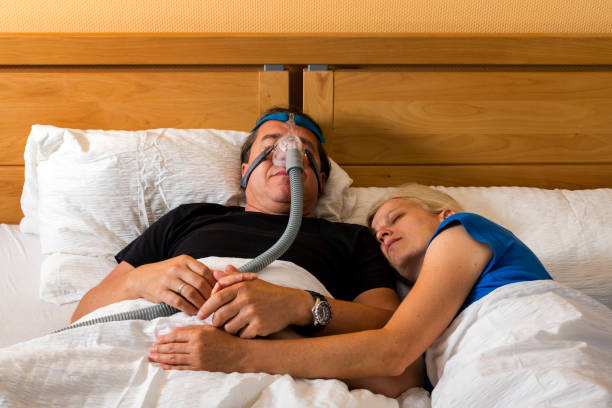
For many people with obstructive sleep apnea, a CPAP device is life-changing: better sleep, fewer apneas, improved daytime energy. But while most discussions focus on getting started, the long-term CPAP use story hides some subtler, overlooked risks. These “silent” complications may impact comfort, health, or willingness to continue therapy over years.
Your CPAP device is a crucial bridge between diagnosis and restful sleep—but if it’s misused, poorly maintained, or just worn for too long in one mode, it can quietly contribute to problems. Below, we explore risks you should know about, and steps you can take to protect yourself.
Chronic Skin Irritation, Pressure Sores & Facial Changes
One of the most common long-term CPAP use risks comes from sustained contact pressure. Over months and years, mask leaks and repeated strap tension can lead to skin irritation, redness, indentations, or even pressure ulcers at the nasal bridge, cheeks, or forehead.
These problems worsen if a user consistently overtightens to compensate for leaks. Fabric breakdown, friction, and exposure to sweat/moisture raise the risk. Some sensitive users may develop contact dermatitis from mask materials.
To reduce risk:
- Rotate mask styles or cushion types so no one spot is under constant load
- Use mask liners or gel pads to cushion contact areas
- Inspect your skin nightly and rest mask contact if raw spots appear
- Replace cushions or headgear regularly to maintain a soft, even seal

Bleep Eclipse™ Starter Bundle
Magnetic-seal design — zero straps, zero pressure points on your skin.
$101.98
Shop NowInfection Risk, Mold & Bacterial Growth
Although the risk is low, long-term CPAP use can raise the possibility of infection if equipment hygiene is neglected. The chamber, tubing, or mask can become a breeding ground for bacteria, mold, or fungi—especially in humidifiers or when water is left stagnant.
Case reports exist linking improperly cleaned CPAP systems to respiratory infections (bronchitis or pneumonia).
Middle Ear Pressure Changes & Discomfort
Long-term CPAP use can also influence ear pressure. Pressurized airflow can transmit into the Eustachian tube, causing ear fullness, pressure changes, or even discomfort in the middle ear. Over time, this repeated pressure can strain the Eustachian tube’s function for some users.
While not everyone experiences this, if you notice persistent ear congestion, popping, or discomfort, it’s a signal to recheck your CPAP settings or mask fit.
Psychological Fatigue & Declining Adherence
Over time, discomfort, minor irritation, or mask frustrations may lessen the positive emotional association with CPAP. What once felt beneficial may begin to feel burdensome. This mental or psychological fatigue is a real long-term CPAP risk — and ironically, it raises the chance that users will skip nights, lower usage, or abandon therapy altogether.
Certain mask-related side effects (mask leaks, pressure discomfort, skin irritation) have been statistically linked to non-adherence and residual sleepiness in long-term users.
Recommended Product
Eclipse™ Headgear-Free CPAP Mask
No straps. No headgear. MagSeal™ adhesive technology locks in place without pressure marks — no more mask-related pressure issues. Covered by Medicare. No prescription required.
Staying motivated means regularly evaluating your comfort, adjusting gear, and engaging your sleep provider when symptoms creep in.
Why These Risks Matter for Long-Term Results
These overlooked risks do more than cause discomfort; they can undermine the very goals of CPAP therapy. When users reduce usage, skip nights, or feel burdened, the protective benefits — lowered cardiovascular risk, improved cognition, reduced daytime sleepiness — may not fully materialize.
A review of CPAP side effects highlights that though many are “minor,” their cumulative burden influences long-term adherence and quality of life.
In conclusion, long-term CPAP use delivers tremendous benefits. By staying attentive, maintaining your device, rotating mask choices, and addressing issues early, you can preserve both your health and confidence in CPAP therapy for the long haul.
Frequently Asked Questions
What are the most common long-term side effects of using a CPAP device?
The most frequently reported long-term side effects are skin irritation and pressure sores at mask contact points, middle ear pressure changes, increased infection risk from poorly maintained equipment, and psychological fatigue that erodes motivation to stay in therapy. Most are manageable with proper mask fit, regular cleaning, and periodic reviews with your sleep specialist.
Can a CPAP machine cause ear problems over time?
Yes, in some users. Pressurized airflow can transmit into the Eustachian tube, causing ear fullness, popping, or discomfort in the middle ear. If you notice persistent ear pressure or congestion that wasn't there before starting CPAP, it's worth having your pressure settings and mask fit reviewed — both can influence how much air reaches the Eustachian tube.
Can bacteria or mold grow inside a CPAP machine?
Yes, if the equipment isn't cleaned regularly. The humidifier chamber, tubing, and mask are all warm, moist environments that can harbor bacteria, mold, or fungi if water is left stagnant or components aren't washed consistently. Daily cleaning of the mask and cushion, along with weekly cleaning of the tubing and humidifier, is the standard recommendation to keep infection risk low.
Why does long-term CPAP use sometimes lead to people quitting therapy?
Psychological fatigue is a recognized risk of long-term CPAP use. Minor frustrations — leaks, skin irritation, strap discomfort — accumulate over months and years, gradually weakening the motivation to put the mask on every night. When therapy starts to feel like a burden rather than a benefit, usage drops. Addressing equipment comfort issues proactively, rather than tolerating them, is the most effective way to sustain long-term adherence.
How can I reduce the risks of long-term CPAP use without stopping therapy?
The key steps are rotating mask styles so no single skin area bears constant pressure, cleaning equipment daily to prevent bacterial and mold growth, replacing cushions and headgear on schedule to maintain a proper seal, checking in with your sleep provider annually to reassess pressure settings, and switching to a lower-profile or headgear-free interface if skin problems persist. Staying in therapy while managing these side effects gives you the full cardiovascular and cognitive benefits CPAP is meant to deliver.
Frequently Asked Questions
What are the most common long-term side effects of CPAP use?
Long-term CPAP users often report skin irritation, nasal congestion, aerophagia (air swallowing), dry mouth, mask marks, and reduced therapy compliance due to ongoing discomfort with traditional mask designs.
Can long-term CPAP mask use damage skin?
Prolonged nightly use of strapped masks can cause pressure sores, contact dermatitis, and skin breakdown at contact points, particularly around the nose bridge, cheeks, and forehead.
Does CPAP therapy cause nasal problems over time?
Some long-term users experience chronic nasal dryness, congestion, or irritation. Using a heated humidifier and ensuring proper mask fit reduces these effects significantly.
How can I reduce CPAP discomfort after years of use?
Regularly replace worn cushions and headgear, evaluate your mask size as your face changes with age, and consider transitioning to a minimal-contact or adhesive interface to reduce accumulated wear.
Is there a CPAP interface designed to minimize long-term side effects?
Yes. The BleepSleep DreamPort and Eclipse with Halos eliminate headgear contact entirely, which addresses the most common sources of long-term discomfort including skin irritation and mask marks.


