

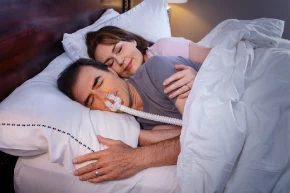
Starting CPAP therapy should feel like relief. You finally have a diagnosis and a treatment. But for many people, the first weeks of CPAP use produce something that feels the opposite of relief: anxiety, panic, and dread every time the machine comes on. Some people tear the mask off in the middle of the night. Others stop using it entirely within days.
CPAP anxiety is real, it's common, and it isn't a sign that therapy will never work for you. Research consistently shows that most people can overcome it with the right combination of equipment choices and behavioral approaches. Understanding what's actually happening in your nervous system when you put on a CPAP mask is the first step toward fixing it.
This guide covers the distinct types of CPAP anxiety, the neurological reasons each one occurs, and the full range of treatments available, from equipment changes to clinical behavioral therapy.
How Common Is CPAP Anxiety?
CPAP anxiety is one of the leading reasons people abandon sleep apnea therapy in the first ninety days. Studies on CPAP adherence consistently identify psychological factors, including fear, claustrophobia, and anticipatory anxiety, as primary drivers of early discontinuation. According to research reviewed in the journal Psychology Research and Behavior Management, psychological predictors, including anxiety and fear responses, are among the strongest indicators of whether a patient will remain on CPAP therapy long-term.
The frustrating dimension is that untreated sleep apnea itself worsens anxiety. Research published in the journal Medicina found that CPAP therapy significantly reduced anxiety and depression symptoms in patients with moderate to severe obstructive sleep apnea. The anxiety that makes it hard to use the machine is in part caused by the condition the machine treats. Breaking that cycle requires addressing the anxiety directly rather than waiting for it to resolve on its own.
The Four Types of CPAP Anxiety
CPAP anxiety isn't a single experience. It breaks down into distinct types with different triggers and different responses. Knowing which type or combination you're dealing with helps you target the right solution.
Claustrophobic anxiety
This is the most commonly discussed type. The mask on your face triggers a sense of confinement or entrapment, particularly when headgear creates the sensation of being held against the pillow. The physical stimulus of a mask with straps against a face activates the same neural response as enclosed spaces for people with claustrophobic tendencies. The response can range from mild discomfort to acute panic, depending on sensitivity.
Pressure anxiety
Some users don't struggle with the mask as a physical object but with the sensation of pressurized air being delivered into their airway. The brain can misinterpret incoming airflow under pressure as an obstruction rather than support. This triggers the false suffocation alarm, a neurological response where the fear center of the brain signals that breathing is being restricted even when the opposite is true. Users experiencing pressure anxiety often describe feeling like they can't exhale properly, which feeds a rapid-breathing panic response.
Anticipatory anxiety
This type develops after one or more difficult early experiences with the mask. Even before putting the mask on, the thought of CPAP therapy at bedtime produces anxiety. Some users describe dreading the moment they get into bed. The anticipatory anxiety is often worse than the actual experience of wearing the mask, but it creates a nightly stress cycle that makes falling asleep progressively harder, regardless of which mask is being used.
Conditioned panic response
After repeated episodes of acute anxiety or panic while wearing a CPAP mask, the nervous system can form a conditioned association: mask equals danger, removal equals relief. Once this association is established, it becomes self-reinforcing. Every time the mask is removed during a panic episode, the removal reinforces the idea that the mask was the threat. Over time, the conditioned response becomes faster and more automatic, making it harder to stay on the mask long enough for the anxiety to reduce naturally.
What Is Actually Happening in Your Brain
Understanding the neurology behind CPAP anxiety removes some of its power. When you feel like you're suffocating in a CPAP mask, you are not actually suffocating. Your body is responding to a set of physical signals that your brain is interpreting as a threat.
The amygdala, the brain's threat-detection center, processes sensory input faster than the rational prefrontal cortex can evaluate it. When a new, unfamiliar stimulus (a mask on your face, pressurized air in your airway) arrives during the vulnerability of sleep or pre-sleep, the amygdala can flag it as dangerous before your conscious mind has a chance to assess it. The physical anxiety response, including elevated heart rate, rapid breathing, and the urge to remove the mask, follows automatically.
This is the same mechanism behind most specific phobias and panic responses. It's not irrational and it's not a character flaw. It's a protective system operating on incomplete information. The solution in every case is the same: give the brain enough safe, repeated exposures to update its assessment of the stimulus from threat to neutral.
The Equipment Changes That Reduce Anxiety Fastest
Behavioral approaches work better when the physical stimulus is smaller. Reducing the size and intrusiveness of the interface is the most direct way to lower the amplitude of the anxiety trigger before any behavioral work begins.
Minimize contact area
Every additional square centimeter of mask contact against your face is an additional unit of claustrophobic stimulus. Full face masks cover the most area. Nasal masks cover less. Nasal pillow masks cover less still. Headgear-free adhesive and magnetic interfaces cover the least of any option currently available.
For users whose anxiety is significantly driven by the sensation of confinement, removing the headgear entirely often removes the primary trigger. The Eclipse CPAP Solution uses a magnetic seal at the nostrils with no straps, no headgear, and no frame resting on the face. For many users with anxiety driven by the restraint sensation of headgear, it's the first interface that feels genuinely manageable. See how the Eclipse CPAP Solution works before concluding that CPAP therapy isn't possible for you.
Use the ramp feature consistently
The ramp feature on your CPAP machine starts therapy at the lowest pressure and increases gradually as you fall asleep. Full prescribed pressure delivered immediately at the start of a session is the most common trigger for pressure anxiety. A gradual ramp allows you to experience airflow at a level close to normal breathing before pressure increases, which prevents the sudden sense of airflow resistance that activates the false suffocation alarm.
If your machine's ramp isn't active, check the settings or contact your equipment provider. Most modern CPAP machines include ramp as a standard feature. Setting it to the longest available duration gives your nervous system the most gradual introduction to therapy pressure.
Add humidification
Dry pressurized air creates a sensation of nasal dryness and resistance that amplifies the feeling of difficult breathing. A heated humidifier reduces this significantly. On machines with heated tubing, a mid-range humidity setting typically resolves the sensation for most users. Reducing the physical discomfort of the airflow removes one variable feeding the anxiety response.
Behavioral Treatments That Work
Equipment changes reduce the input. Behavioral approaches change how your nervous system processes it. Both are necessary for most users with significant CPAP anxiety. The behavioral options range from self-guided exposure practice to structured clinical therapy.
Graded exposure
Graded exposure, also called systematic desensitization, is the most evidence-backed behavioral approach for CPAP anxiety. It involves progressively increasing contact with the feared stimulus in a controlled, low-stakes context, starting with wearing the interface without the machine during the day and building toward full nightly use over one to two weeks. A meta-analysis of randomized controlled treatment studies found that active psychological treatment including exposure therapy was 84% effective for specific phobias compared to no treatment.
The essential principle is that anxiety decreases on its own if you stay in contact with the feared stimulus long enough without a catastrophic outcome occurring. Every minute you remain in the mask without disaster teaches your amygdala to update its threat assessment. Removal during a panic episode teaches the opposite. For a detailed protocol on running this process, our guide on making CPAP easier to use covers practical strategies for building consistent nightly use.
Cognitive Behavioral Therapy
CBT for CPAP anxiety addresses the thought patterns that feed the physiological response. A trained therapist helps identify specific negative thoughts associated with the mask and works systematically to test and revise them. CBT is particularly effective for anticipatory anxiety, where the dread before putting the mask on is often more intense than the experience of wearing it.
Many sleep medicine centers offer CBT specifically for CPAP adherence. If standard behavioral self-help approaches haven't worked after two to three weeks, asking your sleep physician for a referral to a sleep-focused CBT practitioner is a reasonable next step.
Breathing retraining
A specific breathing exercise that helps with pressure anxiety involves focusing on exhalation rather than inhalation during CPAP use. CPAP supports your inhale automatically. What can feel unnatural is the exhalation against incoming pressure. Practicing a slow, deliberate exhale, taking four to six seconds per breath out, trains the body to work with the machine's pressure cycle rather than against it. Most users notice a significant reduction in the false suffocation sensation within the first few sessions of conscious exhalation practice.
Why Untreated Sleep Apnea Makes Anxiety Worse
There's a direct physiological link between untreated obstructive sleep apnea and elevated anxiety. Each apnea event during sleep triggers a micro-arousal, flooding the body with cortisol and adrenaline. Over weeks and months, the cumulative effect of hundreds of nightly stress responses elevates baseline anxiety levels during waking hours as well.
This means that the anxiety making CPAP hard to use is being partly generated by the untreated condition. Patients who successfully establish consistent CPAP use frequently report a reduction in general anxiety within four to six weeks of regular therapy. The machine that feels anxiety-provoking at the start becomes the thing that relieves anxiety over time.
The cardiovascular consequences of untreated sleep apnea compound this further. Our article on how sleep apnea impacts heart health outlines the documented long-term risks of leaving apnea untreated, which provides context for why pushing through the early anxiety period is worth the effort.
When to Involve a Professional
Most CPAP anxiety resolves with the right interface and two to three weeks of structured exposure practice. But some cases warrant professional involvement sooner rather than later.
Consider speaking with your sleep physician or a mental health professional if: you've been unable to wear the mask for more than five minutes despite multiple attempts over two or more weeks; you experience acute panic attacks that persist well after removing the mask; you have a diagnosed anxiety disorder or panic disorder that precedes the CPAP anxiety; or the anticipatory dread of CPAP is significantly affecting your quality of life during waking hours.
Clinical CPAP desensitization programs, where a healthcare provider guides you through structured exposure sessions in a clinical setting, have strong evidence behind them and have helped patients who failed all self-directed approaches. Your sleep physician can advise on whether this is available in your area.
Frequently Asked Questions
Is CPAP anxiety a sign that I have an anxiety disorder?
Not necessarily. CPAP anxiety can develop in people with no history of anxiety disorders. It's a specific response to a new, unfamiliar stimulus introduced in a vulnerable context. However, people with pre-existing anxiety or panic disorder do tend to experience more intense CPAP anxiety and may benefit from clinical support sooner in the process.
Will the anxiety go away on its own if I keep using the machine?
For many users, yes. Consistent exposure is the core mechanism of anxiety reduction. However, using a mask that generates strong claustrophobic triggers while relying on willpower alone is less effective than pairing consistent use with a minimal-contact interface and structured exposure practice. Passive exposure to an intensely anxiety-provoking stimulus adapts more slowly than graded, deliberate exposure in controlled conditions.
Can my partner help with CPAP anxiety?
Yes, meaningfully. Research on CPAP adherence shows that bed partner support is one of the strongest predictors of successful therapy establishment. A partner who understands what you're experiencing, doesn't express frustration about the mask, and offers calm reassurance during difficult early sessions reduces the psychological load significantly. Involving your partner in learning about why CPAP anxiety happens removes the dynamic where the partner perceives avoidance as lack of effort.
Should I try to push through severe panic at night or stop the session?
Pushing through severe panic without any strategy is counterproductive. If panic is intense, remove the mask slowly and deliberately rather than urgently. Take several slow exhalations. Wait until anxiety decreases to a manageable level, then attempt to put the mask back on. This sequence builds tolerance without reinforcing the avoidance pattern that makes conditioned panic responses worse over time.
Does the type of mask significantly affect how fast anxiety resolves?
Yes, substantially. Switching from a full face mask with headgear to a minimal-contact or headgear-free interface typically accelerates anxiety resolution because the physical trigger is smaller. Users who start their CPAP journey with the most minimal interface available tend to establish consistent use faster than those who start with bulkier masks and try to adapt behaviorally.
Anxiety Is Not the End of the Story
CPAP anxiety is common, it has clear neurological causes, and it responds to treatment. The combination that works for most people is straightforward: reduce the physical footprint of the interface to lower the anxiety trigger, use the ramp feature to ease into therapy pressure, and apply graded exposure practice to recondition the nervous system's response.
If you're currently struggling with CPAP anxiety and haven't tried a headgear-free minimal-contact interface, that change alone resolves the problem for many users. See what the Eclipse CPAP Solution offers as a starting point: no straps, no headgear, a seal only at the nostrils, and a fundamentally different experience from any strap-based mask you may have tried before.


